

 Garden City Knowledge Centre
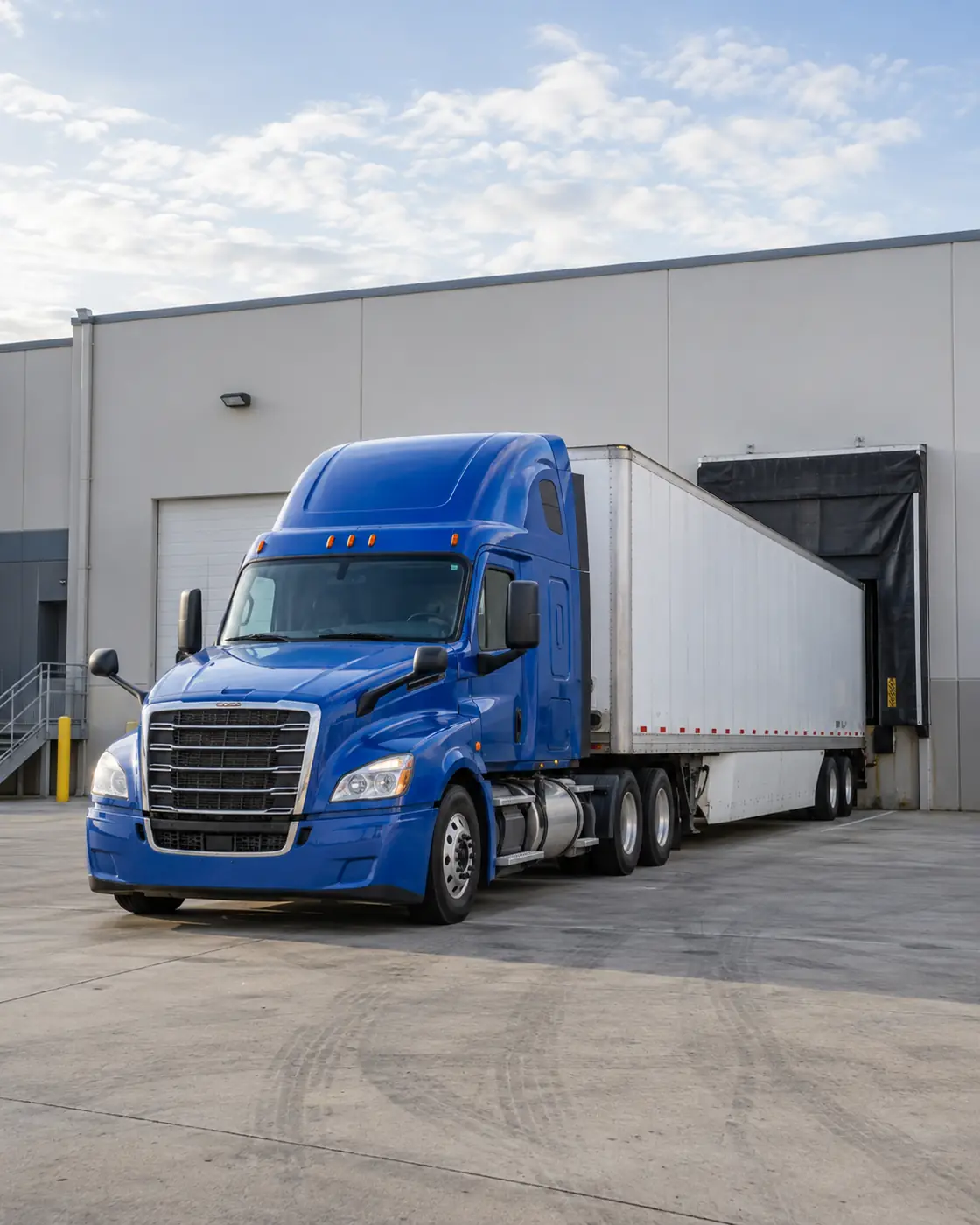
Commercial Warehousing in Niagara Falls
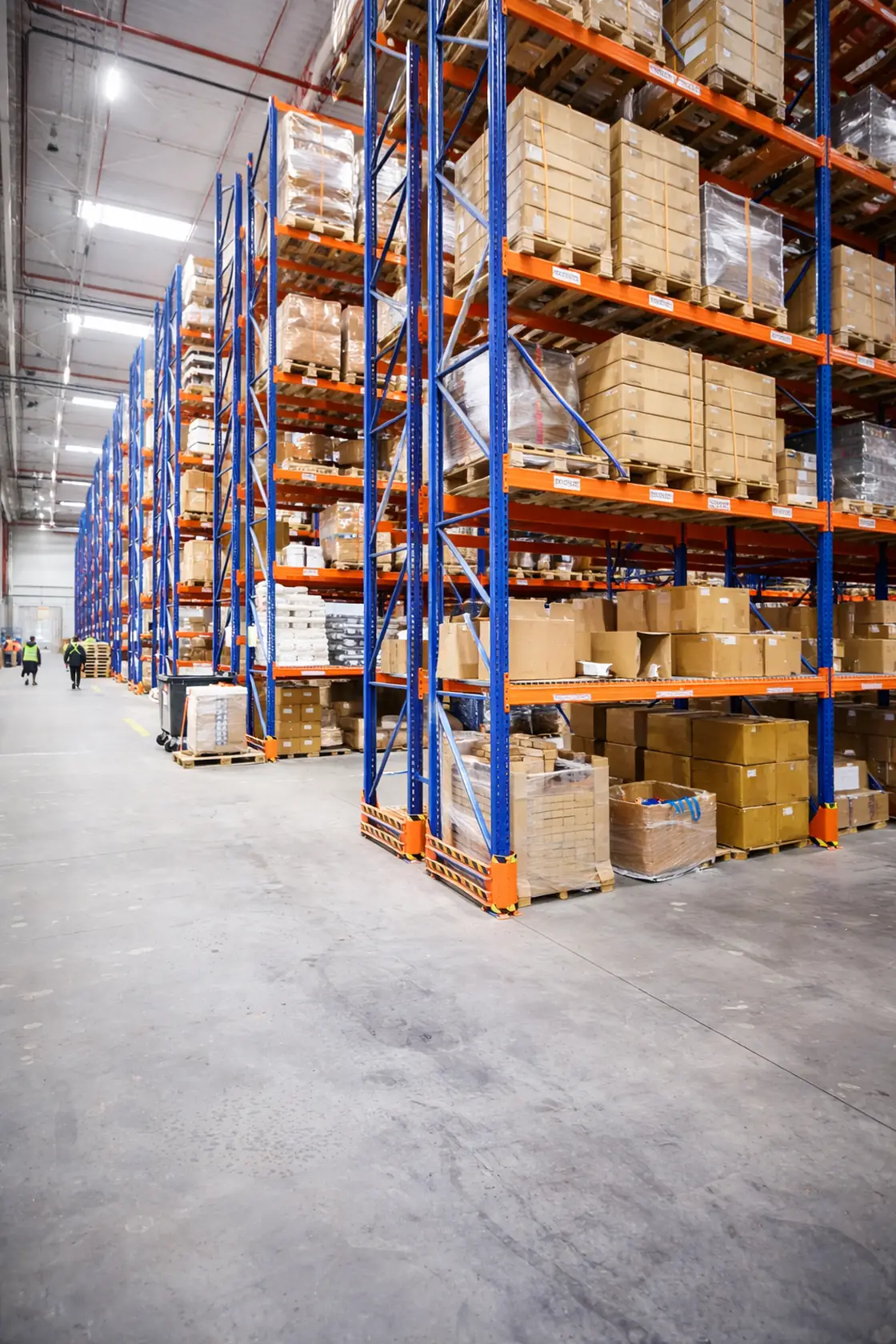
Niagara Falls provides businesses with a strategic warehousing location near major Canada–United States trade routes and Southern Ontario markets.
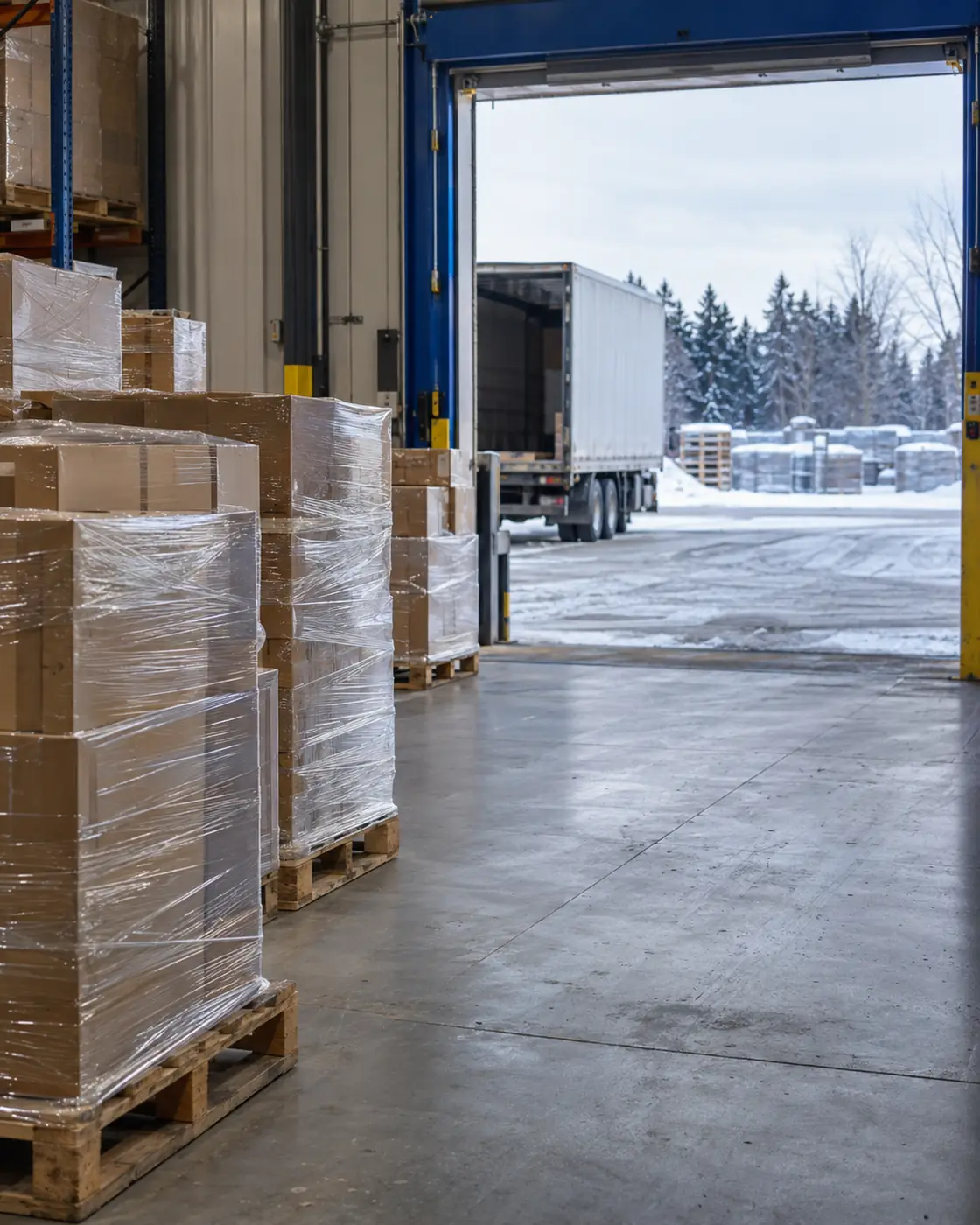
Companies may use third-party warehousing when they need Canadian inventory space without operating their own facility or when existing warehouse capacity is not sufficient. Depending on the operation, commercial warehousing may support:
- Palletized inventory storage
- Short-term and ongoing storage
- Imported commercial goods
- Inventory receiving and organization
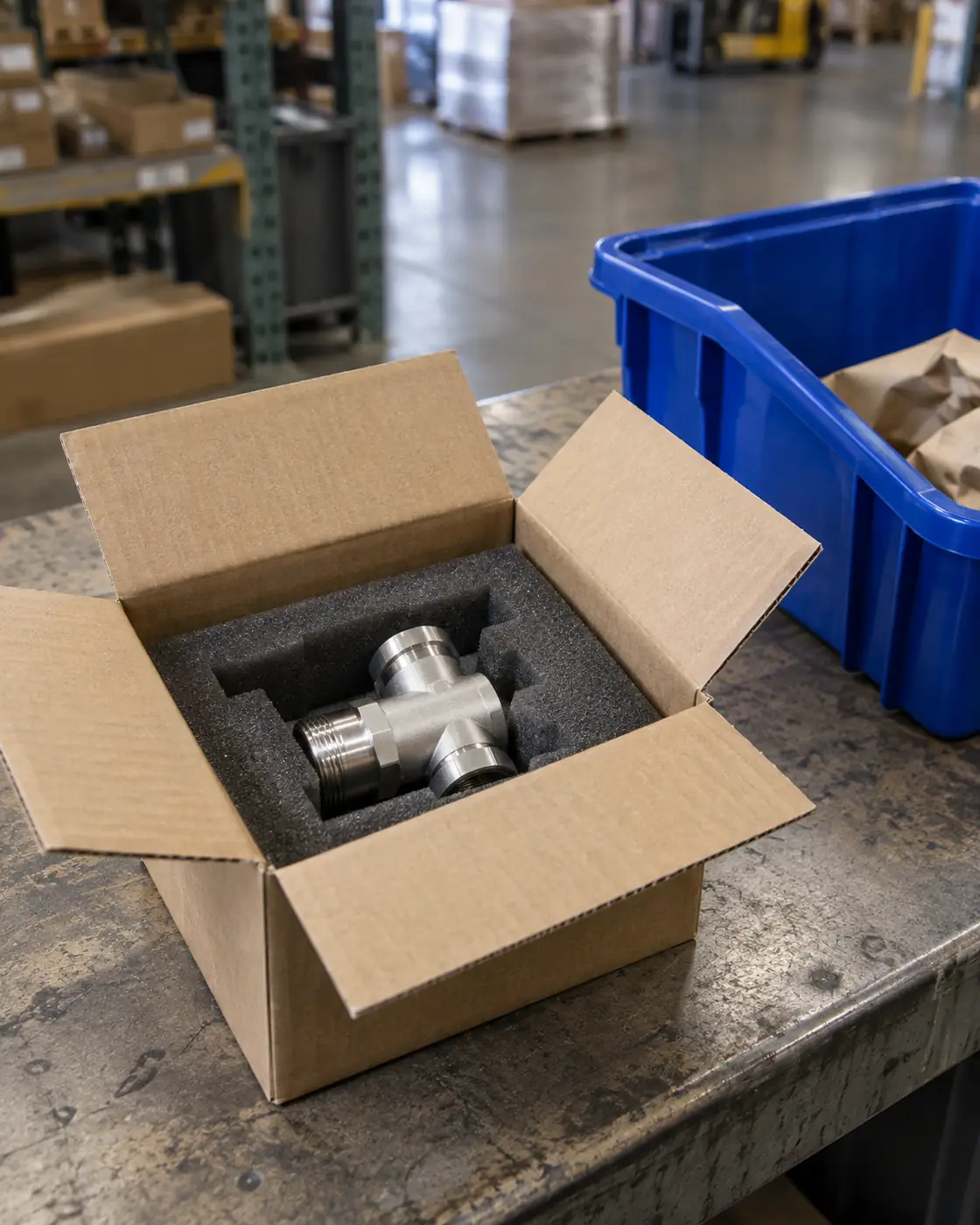
- Pick and pack fulfillment
- Order preparation
- Returns processing
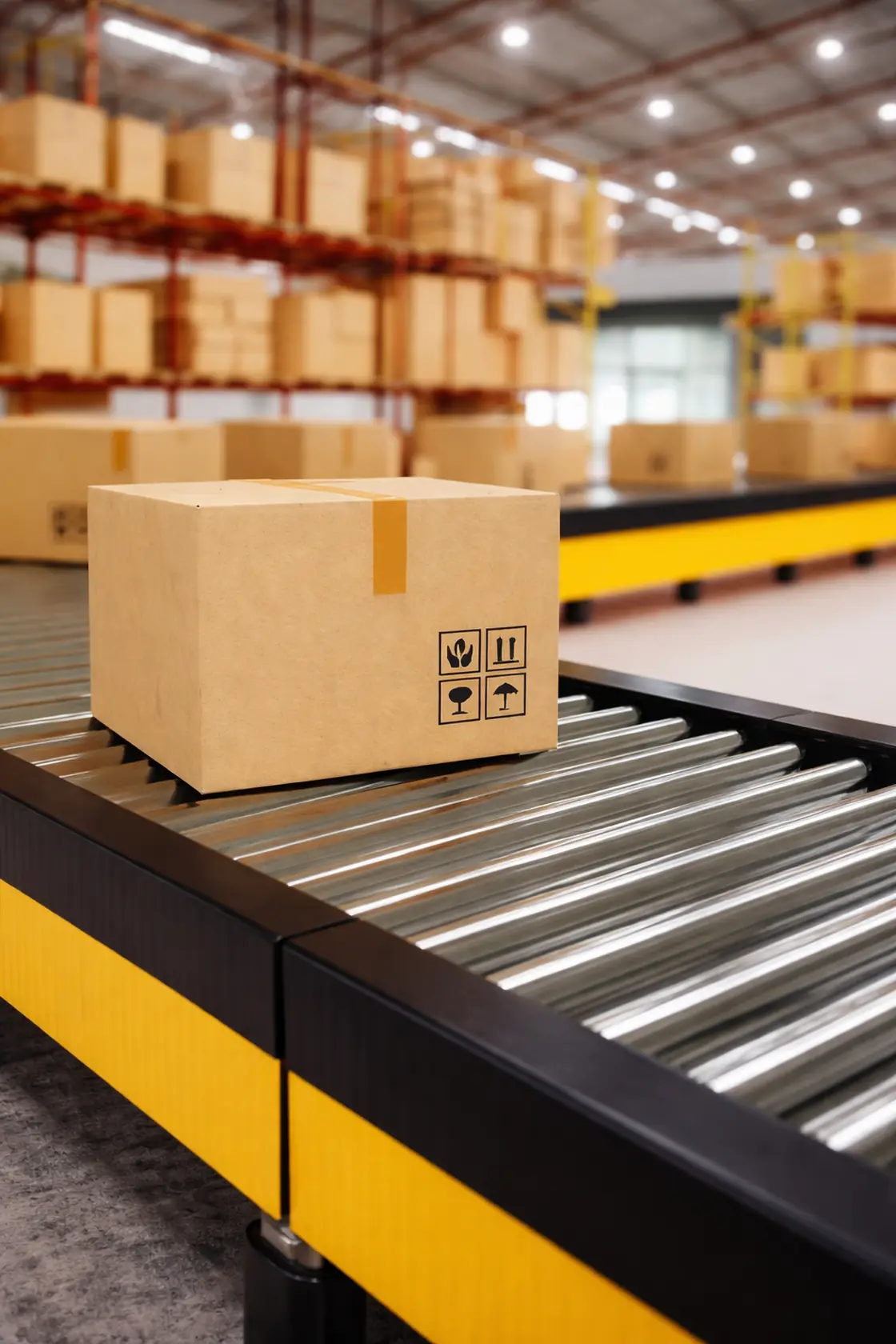
- Shipment staging
- Outbound distribution
- Freight coordination
Warehousing for Imported Goods
Warehousing is especially useful for businesses importing products into Canada but operating without their own Canadian distribution facility. A typical imported inventory flow may look like:
- Supplier
- Customs clearance
- Canadian warehouse
- Storage
- Fulfillment or distribution
Once commercial goods are released by CBSA, inventory can move into the domestic supply chain. Businesses may then hold products until required, release complete pallets, fulfill individual orders, or distribute inventory to retailers, branches, distributors, or customers.
Garden City also provides commercial customs brokerage services, allowing businesses to coordinate customs clearance and post-release inventory handling through related services.
Importers unfamiliar with the customs process can review How Customs Brokerage Works in Canada.
From Receiving to Distribution
Commercial warehousing can support several stages of inventory management rather than simply providing a place to store products. A warehouse operation may include:
- Receiving
- Inventory organization
- Storage
- Order processing
- Outbound distribution
For businesses managing returns, the inventory cycle may also include:
- Customer return
- Receiving
- Inspection
- Sorting
- Restock or final disposition
The services a business requires depend on how inventory enters the warehouse, how long it remains there, and what must happen before goods leave.
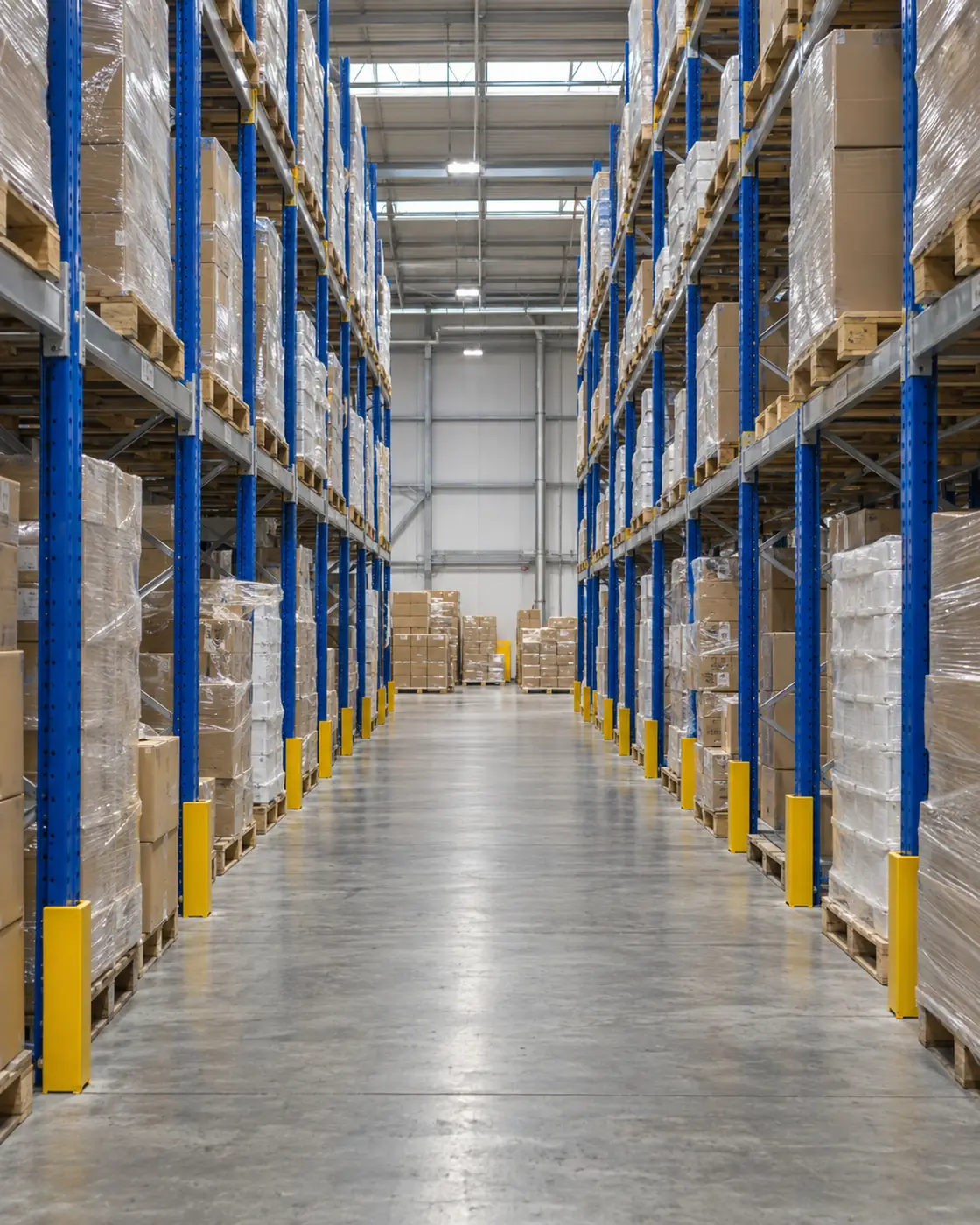
Choosing the Right Warehouse Solution
Warehouse requirements can vary significantly between businesses. Before choosing a provider, companies should consider:
- Expected inventory volume
- Number and size of pallets
- Product dimensions and weight
- Storage duration
- Receiving frequency
- Order volume
- Full-pallet versus individual-order distribution
- Inventory reporting requirements
- Returns requirements
- Transportation needs
- Warehouse location
- Communication and responsiveness
A business storing several pallets for future distribution has very different operational needs from a company processing hundreds of individual customer orders. The warehouse arrangement should be built around the actual movement of the inventory.
How Warehousing Connects With Customs & Freight
For cross-border businesses, warehousing rarely operates completely independently from customs and transportation.
Imported goods must first satisfy Canadian customs requirements before they can enter normal domestic inventory. After release, transportation must be coordinated to the warehouse. Inventory may later require additional transportation when orders or pallets are released.
Garden City can support multiple stages through:
- Customs brokerage
- Warehousing
- Fulfillment
- Freight coordination
Businesses requiring transportation support can also review our Freight Forwarding & Logistics Knowledge Centre. This connection between customs, warehousing, and transportation is particularly useful for businesses managing recurring Canada–United States trade.
Garden City Warehousing in Niagara Falls
Garden City Customs Services Inc. provides commercial warehousing from our Niagara Falls, Ontario facility. Our warehouse supports businesses requiring services such as:
- Commercial inventory storage
- Pallet storage
- Receiving
- Pick and pack fulfillment
- Returns processing
- Shipment preparation
- Imported inventory handling
- Freight coordination
Because Garden City also provides customs brokerage services, commercial importers can coordinate customs clearance and warehouse handling through the same team when required.