

 Garden City Knowledge Centre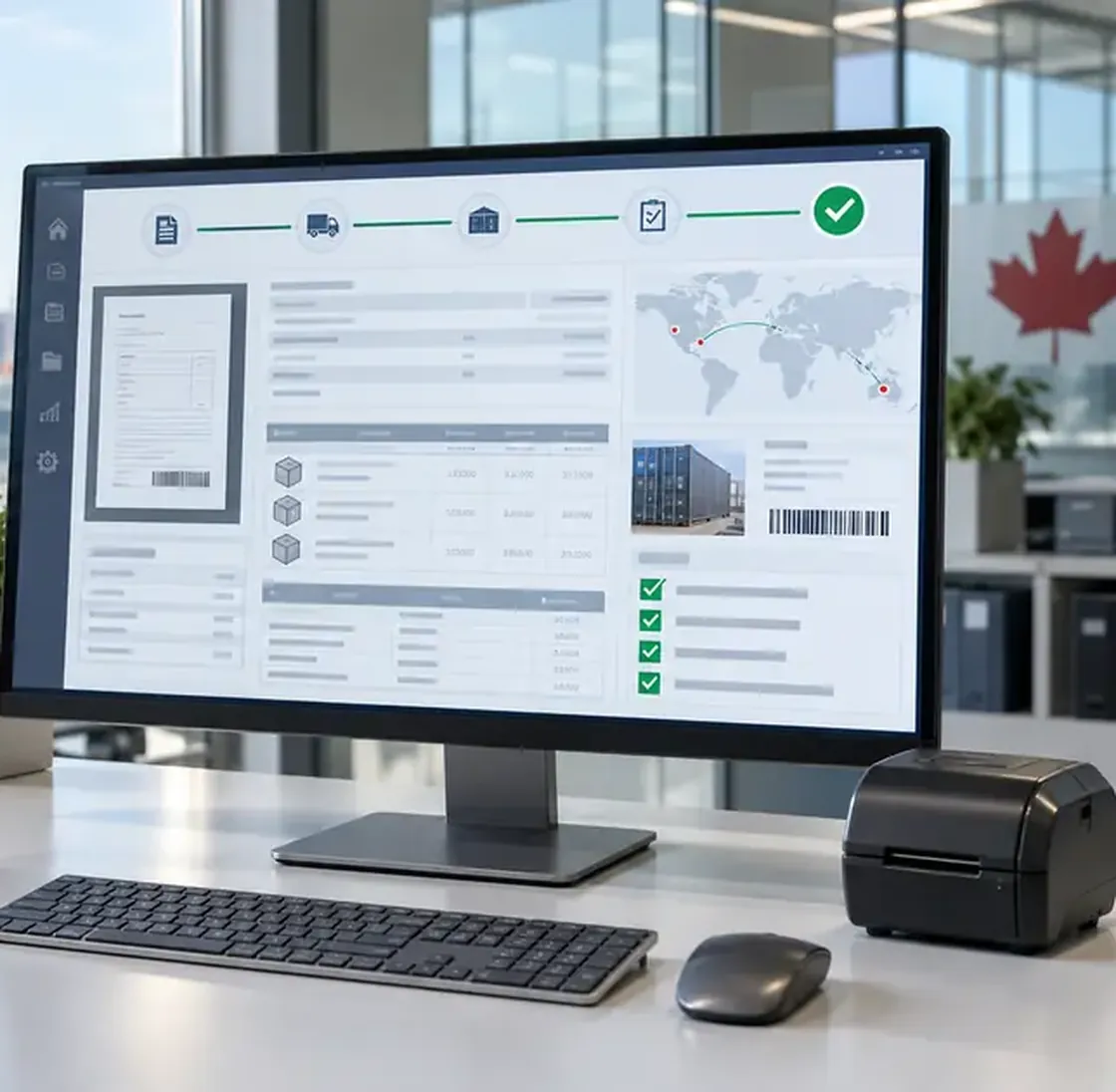
What Does a Customs Broker Do?
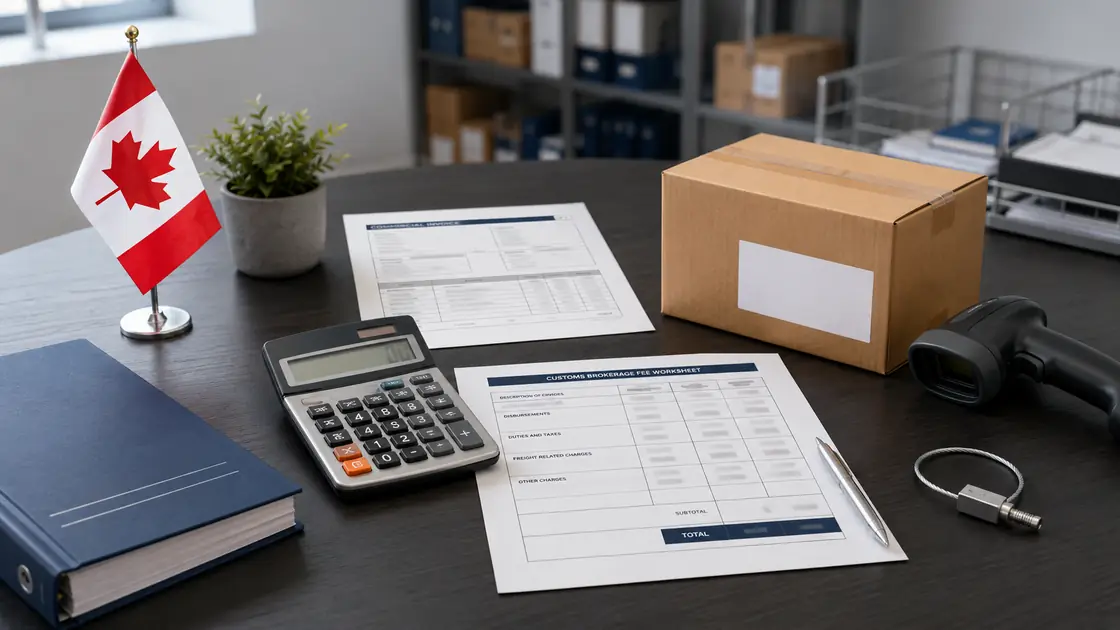
A customs broker acts as an intermediary between the commercial importer and CBSA for authorized customs transactions. Depending on the shipment and services requested, brokerage support may include:
- Reviewing commercial import documentation
- Preparing customs declarations
- Determining HS tariff classifications
- Reviewing customs value
- Determining applicable tariff treatment
- Calculating duties and taxes
- Submitting electronic release information
- Responding to customs documentation issues
- Supporting CARM accounting
- Assisting with corrections and adjustments
- Monitoring importer compliance requirements
- Supporting other government department requirements
Importers may transact directly with CBSA themselves, but businesses that do not want to manage customs transactions internally can authorize a licensed broker to act on their behalf.
A broker's involvement does not remove the importer's responsibility for the accuracy of the customs information reported to CBSA.
The Canadian Customs Clearance Process
The exact process varies by shipment, but a typical commercial import may move through the following stages:
- Importer setup
- Commercial documents
- Classification & valuation
- Release request
- CBSA review
- Shipment release
- CARM accounting
Before regularly importing commercial goods, businesses should have the appropriate Business Number and RM import account and complete the required CARM setup.
Shipment documentation is then reviewed to establish the information required for customs reporting.
Once the release request is submitted, CBSA may release the goods or require additional information, documentation, or examination before allowing the shipment to proceed.
After release, the commercial accounting process establishes the final customs accounting information and duties and taxes associated with the importation.
Businesses preparing for their first commercial shipment can review Do You Need a Business Number to Import Into Canada?
Customs Clearance Does Not End at the Border
Receiving release from CBSA is an important stage of the import process, but it does not eliminate the importer's ongoing customs responsibilities. Commercial importers may still need to manage:
- CARM accounting
- Duties and taxes
- Customs records
- Classification accuracy
- Valuation
- Country of origin
- Tariff treatment
- Corrections to previously reported information
- CBSA verification activity
- Other regulatory requirements
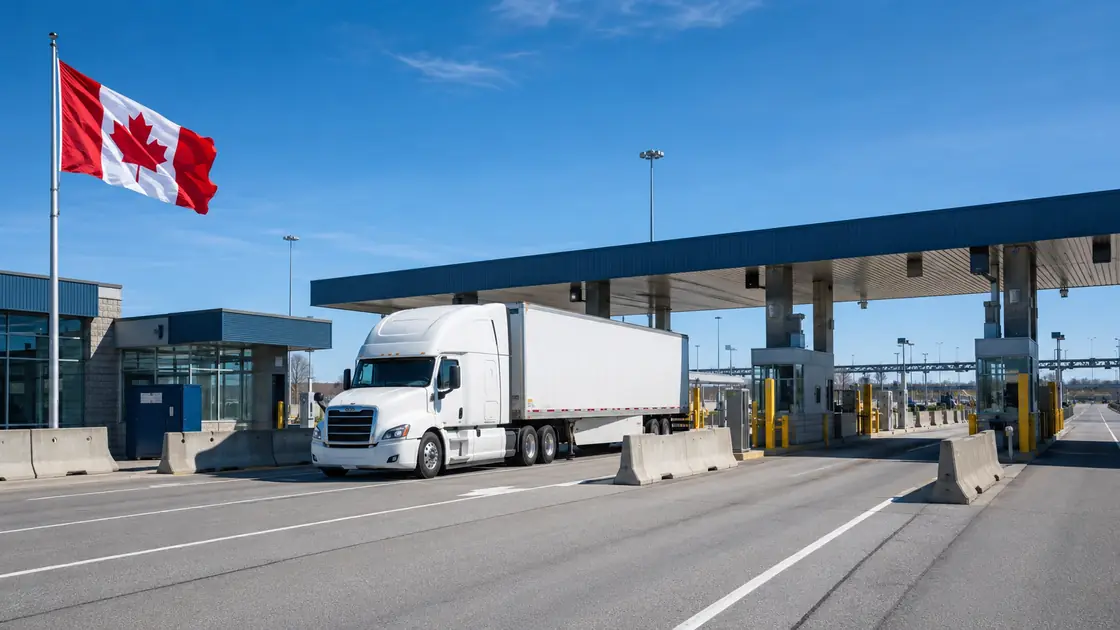
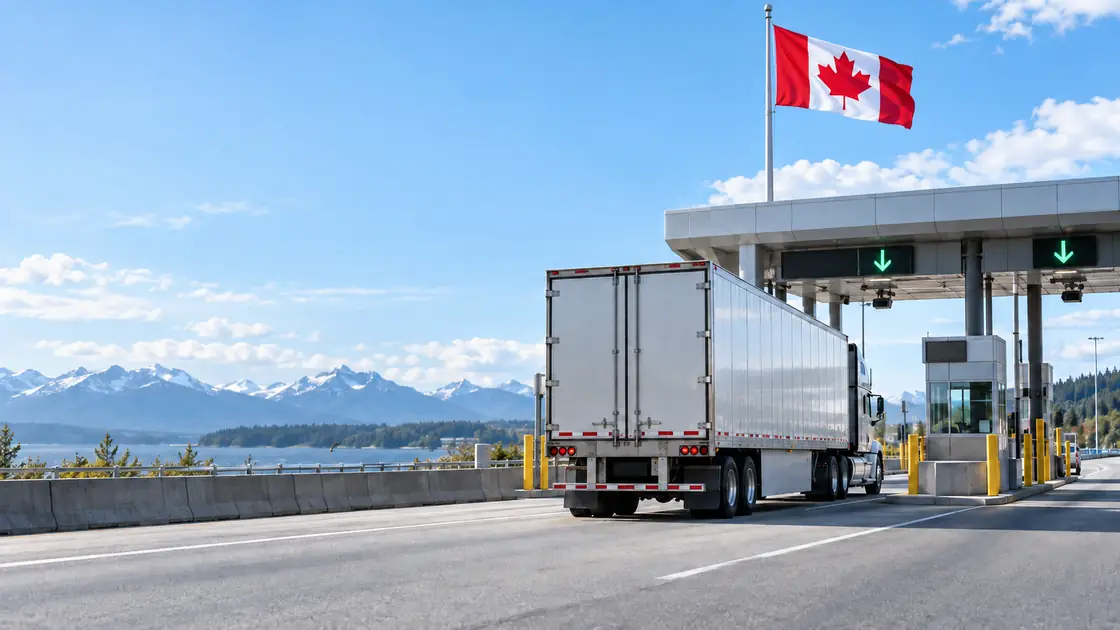
Businesses importing regularly should view customs compliance as an ongoing process rather than something that ends once a truck crosses the border.
Our guide to Importer of Record Responsibilities in Canada explains these obligations in more detail.
Why Commercial Shipments Get Delayed at Customs
Customs delays can occur when CBSA requires additional information or when the information needed to process a shipment is incomplete or inconsistent. Common issues include:
- Incomplete commercial invoices
- Insufficient product descriptions
- Incorrect tariff classifications
- Customs valuation issues
- Missing country of origin information
- Missing permits or certificates
- CARM or importer account issues
- Incorrect importer information
- Discrepancies between shipment documents
- Other government agency requirements
- CBSA examination or review
Businesses should provide complete and accurate shipment information before goods arrive whenever possible.
For more detailed guidance, see Common Reasons Shipments Are Held at Canada Customs.
Importer Responsibility & Customs Compliance
Hiring a customs broker does not transfer the importer's underlying responsibility for its commercial imports. The importer remains responsible for information associated with matters such as:
- Tariff classification
- Country of origin
- Value for duty
- Tariff treatment
- Duties and taxes
- Supporting records
- Required corrections
Incorrect customs reporting can result in reassessments, additional duties and taxes, interest, or penalties.
Businesses importing regularly should maintain processes that allow customs information to be reviewed and corrected when necessary.
See How to Avoid Customs Penalties in Canada for additional guidance.
CARM & Commercial Importer Accounts
CARM is the CBSA system used for commercial import accounting and payment.
Commercial importers require the appropriate Business Number and RM import account and must manage their importer relationship within the CARM environment. Businesses may also need to address:
- CARM Client Portal registration
- Broker delegation
- Importer account information
- Release Prior to Payment
- Financial security
- Statements of Account
- Duties and tax payments
- Commercial accounting information
Because CARM is a large topic on its own, we maintain a separate CARM & Import Compliance Knowledge Centre covering importer registration, RPP, commercial importer requirements, and related account responsibilities.
Do You Need a Customs Broker in Canada?
Commercial importers are not generally required to hire a customs broker and may transact directly with CBSA.
However, many businesses use licensed customs brokers because customs reporting requires specialized knowledge and recurring administrative work. Brokerage can be particularly valuable when a business imports:
- Frequently
- Through multiple ports
- Products with many tariff classifications
- Regulated goods
- Goods subject to permits
- Products with complex origin or valuation considerations
- Large volumes of commercial shipments
Whether outsourcing customs brokerage makes sense depends on the business's internal expertise, shipment volume, risk tolerance, and ability to maintain ongoing customs processes.
Read Is a Customs Broker Required to Import Into Canada? for the full explanation.
Customs Brokerage With Garden City
Garden City Customs Services Inc. has provided Canadian customs brokerage services since 1981.
We work primarily with commercial importers and support businesses with customs clearance, classification, duties and taxes, CARM requirements, and ongoing import compliance.
Garden City can also support related supply-chain requirements through freight coordination and commercial warehousing in Niagara Falls. This allows businesses requiring more than customs clearance alone to coordinate multiple stages of their Canadian import process through the same organization.