

 Garden City Knowledge Centre
What Does a Freight Forwarder Do?
Freight forwarding involves coordinating transportation rather than necessarily operating the truck, aircraft, vessel, or other equipment carrying the goods. Depending on the shipment, freight coordination may involve:
- Identifying transportation requirements
- Coordinating carriers
- Planning shipment routes
- Arranging pickups and deliveries
- Reviewing shipping documentation
- Coordinating shipment timing
- Managing communication between logistics partners
- Supporting cross-border freight movements
- Coordinating customs clearance timing
- Arranging warehouse staging where required
- Monitoring shipment progress
- Responding to transportation issues
- Coordinating final delivery
The exact role depends on the route, transportation mode, cargo, and requirements of the business.
How Freight Moves Through the Supply Chain
A freight movement may involve several separate organizations before the goods reach their destination. A typical import shipment may follow a process such as:
- Supplier
- Carrier
- International transportation
- Canadian border
- Customs clearance
- Warehouse or distribution
- Final delivery
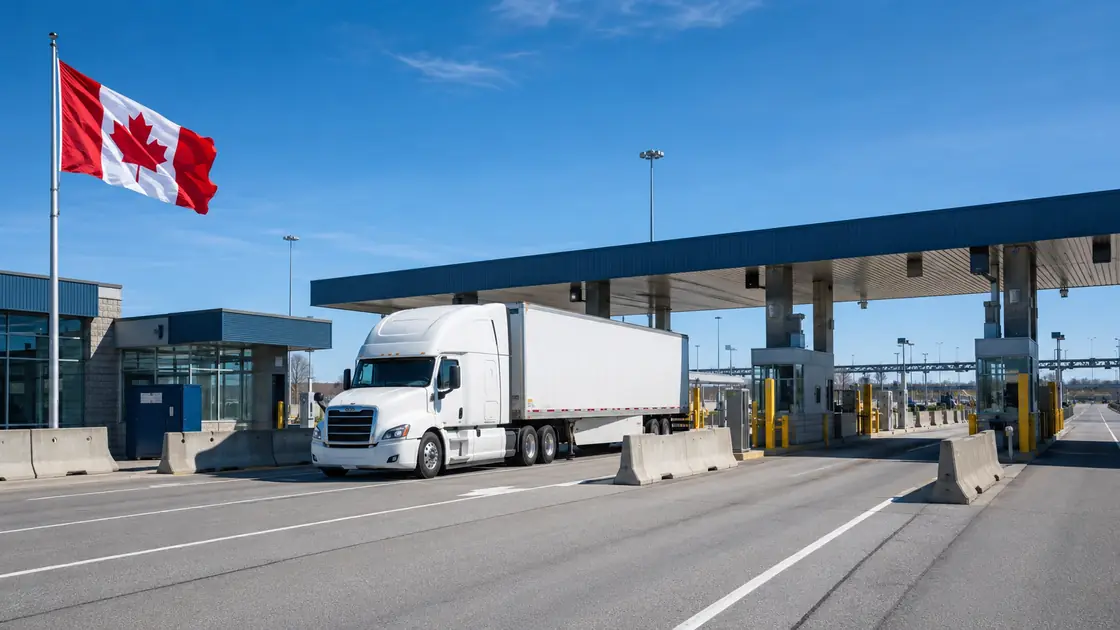
For cross-border truck freight, transportation and customs clearance are particularly closely connected. The carrier is responsible for transporting and reporting the cargo, while the importer or authorized customs broker manages the customs release requirements associated with the imported goods.
If the required transportation, cargo, and customs information are not aligned, the shipment can be delayed even if the physical transportation itself is running on schedule.
Choosing the Right Freight Transportation
There is no single transportation method that works best for every shipment. Businesses should consider:
- Shipment origin and destination
- Product dimensions
- Total weight
- Number of pallets or cartons
- Required delivery date
- Product value
- Transportation budget
- Shipment frequency
- Border and customs requirements
- Special handling requirements
- Warehouse or distribution needs
- Whether the shipment is time-sensitive
The appropriate transportation strategy depends on the balance between cost, transit time, capacity, and reliability.
Cross-border truck freight
Truck transportation plays a major role in Canada–U.S. trade and is particularly useful for goods moving between Canadian and U.S. suppliers, warehouses, manufacturers, and distributors.
Ocean freight
Ocean transportation is commonly used for larger international shipments where longer transit times can be accepted in exchange for greater cargo capacity. Different transportation modes may also be combined as goods move from their international origin to their final destination.
Air freight
Air transportation is generally used when transit time is a major priority or when goods need to move internationally more quickly.
Freight Shipping Documents Matter
Transportation depends heavily on accurate shipment information. Depending on the shipment, documentation may include:
- Commercial invoice
- Bill of lading
- Packing list
- Cargo information
- Product descriptions
- Weight and dimensions
- Country of origin information
- Shipping instructions
- Permits or certificates
- Customs documentation
- Delivery instructions
The carrier, freight forwarder, customs broker, importer, and other logistics partners may each rely on information from these documents for different purposes. Incomplete or inconsistent information can create problems with carrier bookings, customs clearance, warehouse receiving, or final delivery.
For more detail, see Freight Shipping Documents Required for Importing Goods.
Understanding Freight Costs
Freight pricing is not determined by distance alone. Transportation costs may be affected by:
- Shipment weight
- Shipment dimensions
- Pallet count
- Transportation mode
- Origin and destination
- Fuel costs
- Carrier capacity
- Delivery requirements
- Residential or limited-access locations
- Special equipment
- Time-sensitive service
- Border requirements
- Additional handling
- Storage or waiting time
This means two shipments travelling similar distances can have very different transportation costs. Businesses comparing freight rates should ensure they are comparing equivalent service levels rather than looking only at the lowest initial quote.
See How Freight Costs Are Calculated for International Shipments for a more detailed explanation.
Cross-Border Freight Between Canada and the United States
Cross-border transportation involves more coordination than a normal domestic shipment. The physical movement of the goods must align with customs and cargo reporting requirements before the shipment can proceed into Canada. A typical movement may involve:
- U.S. supplier
- Carrier pickup
- Pre-arrival processing
- Canadian border
- CBSA release
- Canadian delivery
Transportation delays can occur when:
- Shipment documents are incomplete
- Carrier information does not match customs information
- Importer information is incorrect
- Customs release has not been completed
- Required permits or certificates are missing
- CBSA requests additional information
- Goods are referred for examination
- Pickup or delivery appointments are missed
For businesses moving goods regularly between the two countries, coordination between the carrier, importer, customs broker, and receiving location is an important part of keeping freight moving predictably.
Freight Forwarding and Customs Brokerage
Freight forwarding and customs brokerage solve different parts of an international shipment.
Freight forwarding focuses primarily on arranging and coordinating the movement of cargo. Customs brokerage focuses on reporting imported goods to CBSA, preparing customs transactions, classification, duties and taxes, release, and import compliance.
Many imported shipments require both. A cross-border shipment may therefore involve:
- Freight coordination
- Carrier movement
- Customs clearance
- Delivery
Garden City also provides licensed Canadian customs brokerage services, allowing transportation and customs requirements to be coordinated through related teams where appropriate.
Businesses looking for deeper customs information can explore our Customs Brokerage & Clearance Knowledge Centre.
Freight, Warehousing & Distribution
Some shipments do not move directly from the border to their final customer. Goods may first need to enter a warehouse for:
- Inventory storage
- Shipment staging
- Pallet breakdown
- Order fulfillment
- Distribution
- Returns processing
- Temporary holding
- Transfer to another carrier
- Freight
- Customs clearance
- Warehousing
- Fulfillment or distribution
Garden City provides commercial warehousing services in Niagara Falls, allowing freight movements to be coordinated with warehouse receiving and post-clearance inventory handling when required. For more information, visit the Warehousing & Storage Knowledge Centre.
How Garden City Supports Freight Coordination
Garden City Customs Services Inc. supports businesses moving commercial freight through Canadian and cross-border supply chains. Rather than operating our own transportation fleet, we coordinate with transportation and logistics partners based on the requirements of the shipment. Our freight coordination services can support:
- Cross-border truck shipments
- Domestic Canadian freight
- International transportation coordination
- Carrier communication
- Pickup and delivery scheduling
- Freight documentation
- Customs clearance coordination
- Warehouse staging
- Time-sensitive commercial freight
- Final delivery coordination
Because Garden City also provides customs brokerage and warehousing services, clients can coordinate multiple stages of their supply chain through one organization.