


 Warehousing & Storage Solutions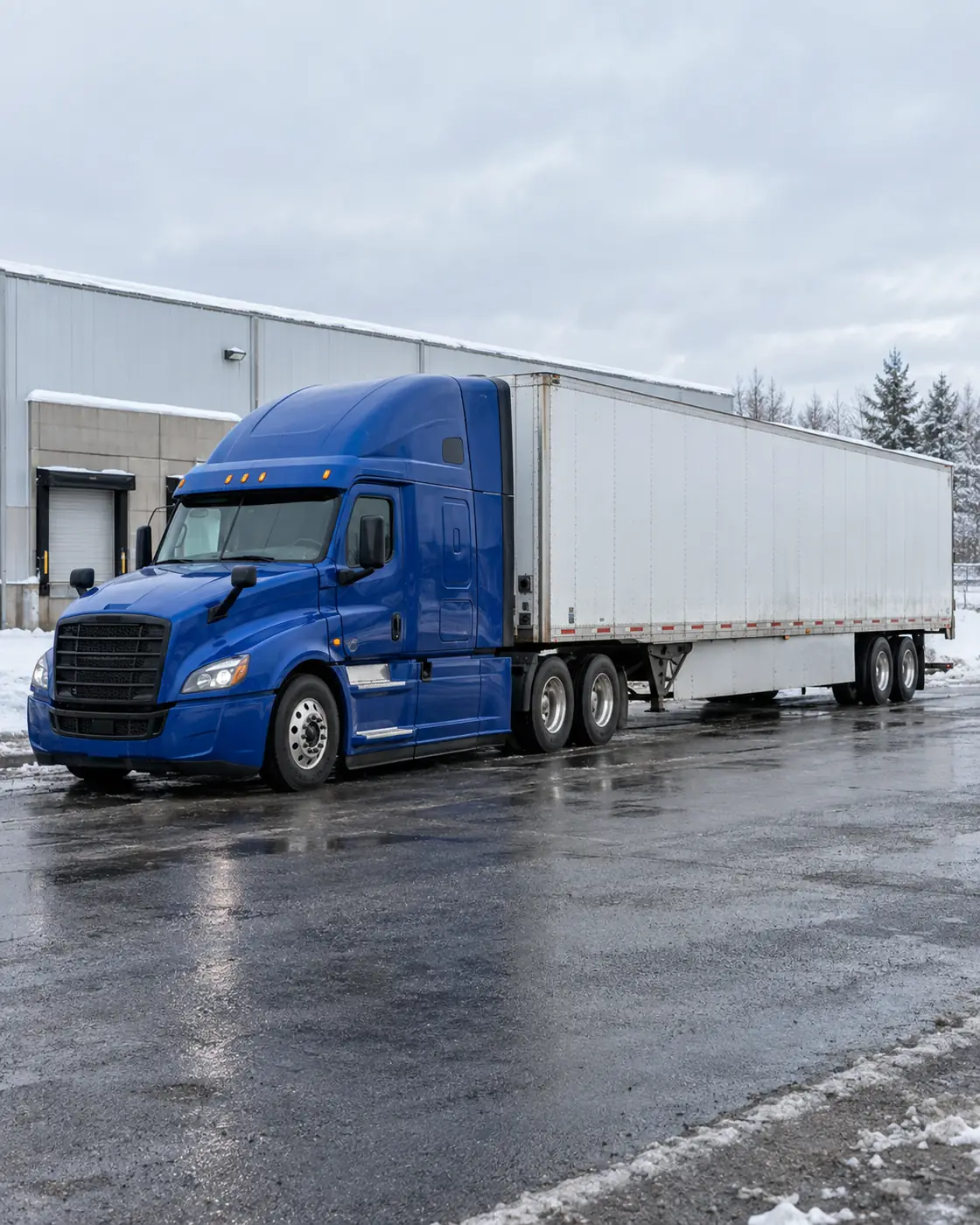
What Are Commercial Warehousing Services?
Commercial warehousing involves receiving, storing, handling, and preparing business inventory within a dedicated warehouse facility. Working with a local commercial warehousing provider can help businesses manage inventory without operating their own facility.
Unlike simple self-storage, commercial warehousing is designed around the movement and management of business goods. Inventory can be received from suppliers or carriers, organized within the warehouse, stored until needed, and prepared for its next destination.
Depending on the business, warehousing may support everything from full-pallet storage to pick and pack fulfillment.
Warehousing can also become part of a broader logistics process when goods require customs clearance or freight coordination before or after storage.
What Warehousing Services Can Businesses Use?
The exact services available depend on the warehouse and the requirements of the inventory, but commercial warehousing may include:
- Pallet storage
- Short-term inventory storage
- Longer-term commercial storage
- Inventory receiving
- Inventory organization
- Pick and pack fulfillment
- Order preparation
- Shipment staging
- Packaging
- Inventory reporting
- Returns handling
- Outbound shipping coordination
- Freight coordination
- Handling of imported commercial inventory
Businesses should choose services based on how frequently inventory moves, how orders are processed, and whether the goods require additional logistics support.
For businesses primarily looking for storage, see Inventory Storage Solutions for Businesses in Ontario.
Why Businesses Use Warehousing in Niagara Falls
Niagara Falls is positioned directly along the Canada–United States border and provides convenient access to Southern Ontario, Western New York, and major transportation routes serving both countries.
For businesses moving goods across the border, this can make Niagara Falls a practical location for storing imported inventory before it is distributed elsewhere in Canada.
Warehousing in Niagara may also benefit businesses that need inventory positioned closer to customers, suppliers, border crossings, or transportation providers.
A local warehouse can be particularly useful for companies that do not operate their own Canadian distribution facility but still need commercial inventory located within Ontario.

How Commercial Warehousing Works
The business determines its storage requirements
Before inventory arrives, the business and warehouse provider determine what needs to be stored and how the inventory will be handled. Important information can include:
- Number of pallets or cartons
- Product dimensions
- Weight
- Expected storage period
- Receiving frequency
- Order volume
- Shipping requirements
- Special handling instructions
Understanding these requirements allows the warehouse to determine the appropriate storage and handling arrangement.
Inventory arrives at the warehouse
Goods are delivered to the warehouse by a carrier, freight provider, supplier, or importer. Warehouse staff receive the shipment and confirm the inventory delivered based on the agreed receiving process.
Depending on the arrangement, this may involve checking pallet counts, carton quantities, visible condition, or product identification.
Inventory is organized and stored
After receiving, goods are placed into appropriate warehouse locations. Inventory may be stored on pallet racking, shelving, floor locations, or designated picking areas depending on the product and how frequently it needs to be accessed.
Businesses maintaining recurring stock can use commercial inventory storage solutions to keep products organized until they are needed.
Inventory is accessed when needed
Stored inventory remains available for future business requirements. Depending on the operation, goods may be:
- Released as full pallets
- Transferred to another warehouse
- Sent to a retailer or distributor
- Picked for individual customer orders
- Prepared for freight transportation
- Used to replenish other inventory locations
The warehouse prepares the requested goods according to the instructions provided by the business.
Orders or shipments are prepared
If the business requires fulfillment, individual products may be picked from inventory, verified, packed, labelled, and prepared for shipment. Businesses processing recurring individual orders can learn more about Pick and Pack Fulfillment Services in Canada.
For pallet or bulk shipments, the warehouse may instead stage inventory for pickup by the appropriate carrier.
Outbound transportation is coordinated
Once inventory is ready to leave the warehouse, transportation is arranged to the next destination. This may involve parcel carriers, local transportation providers, trucking companies, or freight forwarding services, depending on the shipment.
Combining storage and transportation coordination can reduce the number of separate providers involved in the movement of goods.
What Businesses Should Look for in a Niagara Falls Warehouse
Choosing a warehouse should involve more than comparing storage rates. Businesses should consider:
- Location near major transportation routes
- Access to Canada–U.S. border crossings
- Available storage capacity
- Pallet storage capabilities
- Receiving procedures
- Inventory organization
- Order accuracy
- Pick and pack capabilities
- Communication and responsiveness
- Freight coordination
- Customs brokerage access
- Flexible storage arrangements
- Ability to support changing inventory volumes
The best warehouse arrangement depends on the type of goods, frequency of movement, and the broader supply chain requirements of the business.
Warehousing for Imported Goods
Niagara Falls is particularly well suited to businesses importing commercial inventory from the United States or other international suppliers. A typical imported inventory movement may look like:
- International supplier
- Canadian customs clearance
- Niagara Falls warehouse
- Storage
- Fulfillment or distribution
After imported goods are released by CBSA, inventory can move into a Canadian warehouse and remain there until the business needs it.
Garden City provides both commercial customs brokerage services and warehousing support, allowing importers to coordinate customs clearance and post-release inventory handling through related services.
Businesses preparing to import commercial inventory should also ensure their importer account is properly established. See Do You Need a Business Number to Import Into Canada? for information about BN, RM, and CARM requirements.
Niagara Falls Warehousing for Canada–U.S. Trade
For businesses involved in cross-border trade, proximity to the border can simplify how inventory moves between transportation, customs clearance, storage, and final distribution.
Rather than moving imported goods farther into Ontario immediately after release, companies may choose to store inventory near the border and distribute it as needed. This can be useful for businesses that:
- Import recurring commercial shipments from the United States
- Need Canadian inventory storage
- Do not operate their own warehouse in Ontario
- Require temporary overflow capacity
- Hold inventory before domestic distribution
- Need both customs and logistics support
- Ship products to customers or businesses throughout Ontario
For companies managing cross-border transportation in addition to storage, our Freight Forwarding & Logistics resources provide additional guidance.
Short-Term vs. Ongoing Warehouse Storage
Some businesses require warehouse space only temporarily, while others use third-party warehousing as a permanent part of their supply chain.
Short-term warehousing may support seasonal inventory, temporary overflow, imported goods awaiting distribution, or inventory between transportation stages.
Ongoing warehousing may support businesses that regularly maintain inventory in Ontario and require receiving, storage, fulfillment, and outbound distribution throughout the year.
A flexible commercial warehouse can allow storage requirements to change as inventory levels and order volumes fluctuate.
Warehousing vs. Pick and Pack Fulfillment
Warehousing and fulfillment are often provided together, but they are not the same service. Warehousing primarily focuses on receiving, organizing, and storing inventory.
Pick and pack fulfillment adds regular order processing. Products are selected from stored inventory, assembled into individual orders, packaged, and prepared for shipment.
Businesses that simply need pallet storage may not require fulfillment, while companies shipping recurring orders may benefit from combining both services. For a detailed explanation, see Pick and Pack Fulfillment Services in Canada.
How Garden City Supports Warehousing in Niagara Falls
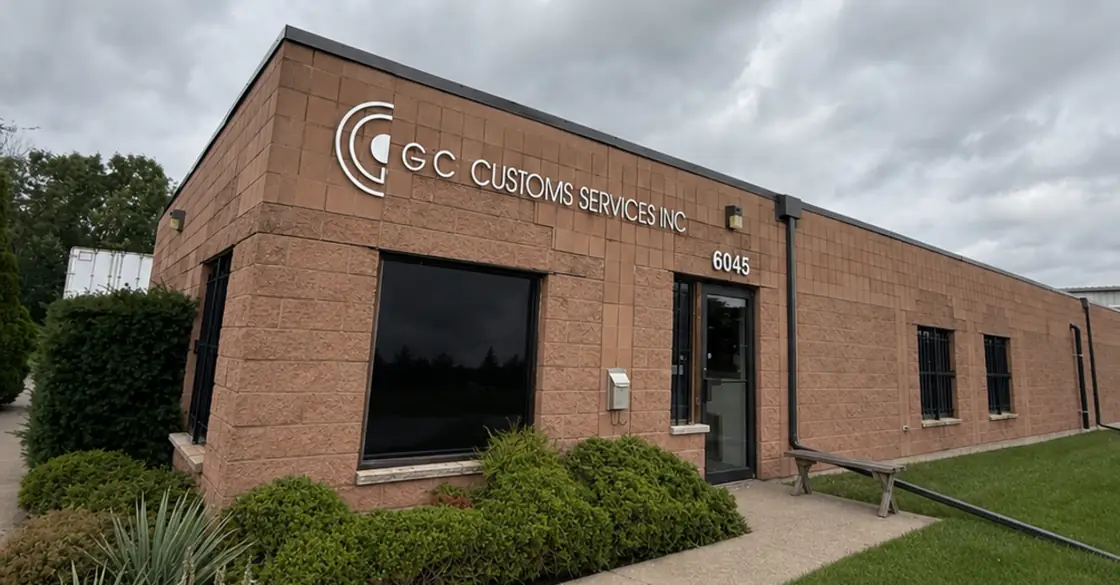
Garden City Customs Services Inc. provides commercial warehousing services from our Niagara Falls, Ontario facility.
We support businesses requiring inventory receiving, pallet storage, inventory organization, pick and pack fulfillment, shipment preparation, and logistics coordination.
For commercial importers, our customs brokerage, freight forwarding, and warehousing services can also help coordinate multiple stages of the cross-border supply chain through one logistics relationship.
This guide is general information, not legal advice. Requirements depend on your specific goods and circumstances, so please confirm details with a licensed customs broker before you ship.