


 Warehousing & Storage Solutions

What Are Pick and Pack Fulfillment Services?
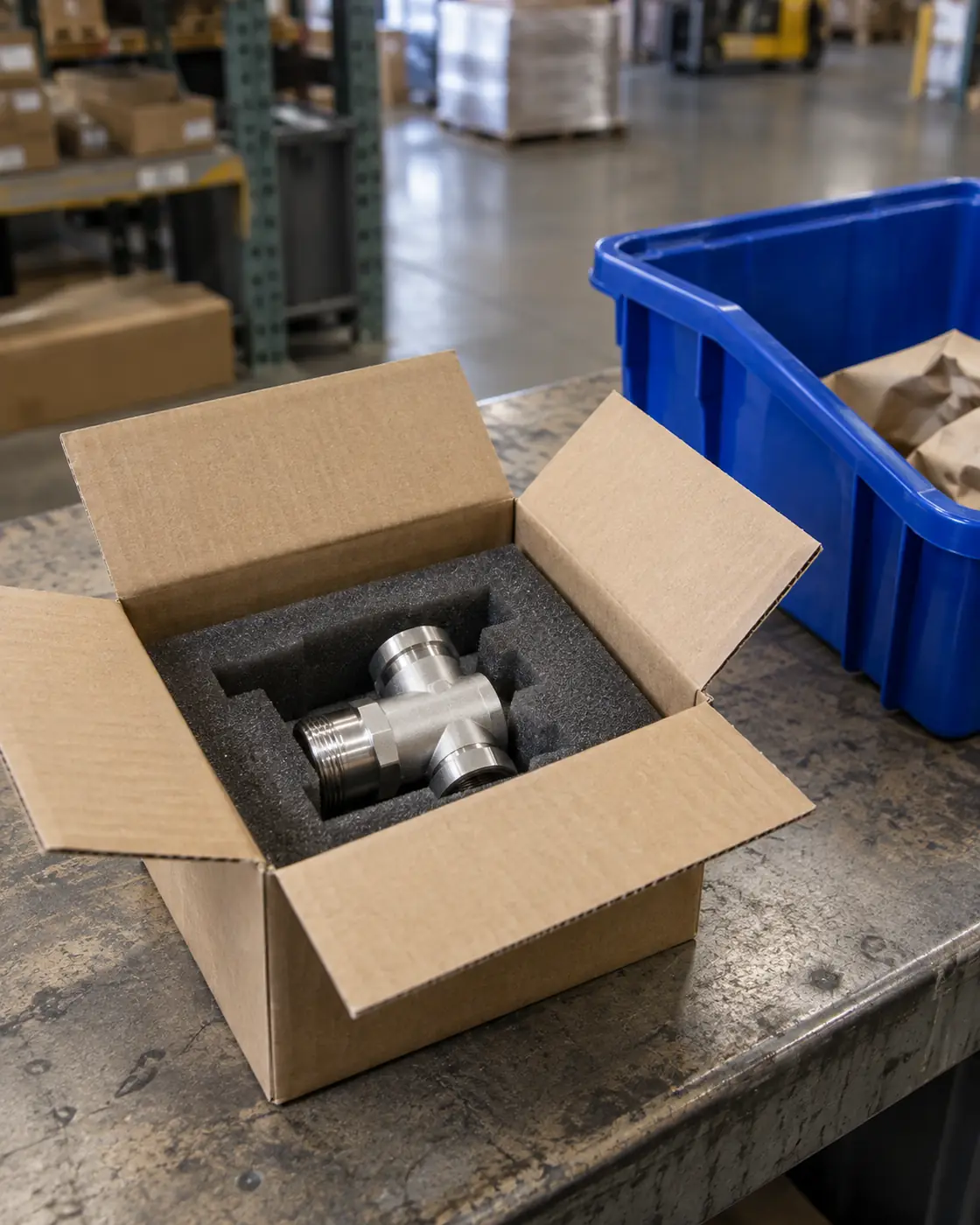
Pick and pack fulfillment refers to the process of selecting individual products from stored inventory and preparing them for shipment based on an order. This type of fulfillment is commonly used by e-commerce businesses, distributors, manufacturers, subscription businesses, and companies that ship recurring orders to customers or retail locations.
When an order is received, warehouse staff identify the required items, retrieve them from their storage locations, verify the order, package the products, and prepare the shipment for pickup or distribution.
The process allows businesses to outsource both inventory storage and day-to-day order preparation while maintaining control over what products are shipped and where they are going.
Pick and pack fulfillment is often combined with services such as inventory storage, receiving, packaging, returns handling, and freight coordination.
What Is Included in Pick and Pack Fulfillment?
Depending on the warehouse provider and the requirements of the business, pick and pack fulfillment may include:
- Inventory receiving
- Product inspection
- Pallet or shelf storage
- Inventory organization
- Order processing
- Product picking
- Order verification
- Packing and packaging
- Shipping label preparation
- Carrier coordination
- Order staging
- Returns processing
- Inventory reporting
Businesses with recurring order volume can use these services to centralize inventory and fulfillment instead of managing multiple vendors or internal facilities.
For businesses that primarily need storage rather than fulfillment, see our Warehousing Services.
Why Businesses Use Pick and Pack Fulfillment
Managing individual orders internally becomes more difficult as sales volume increases.
Businesses need space to receive products, organized inventory locations, staff to pick orders, packaging materials, shipping processes, and systems for maintaining accurate inventory records.
Outsourcing fulfillment allows a business to use existing warehouse infrastructure instead of building those capabilities from the ground up.
For growing businesses, this can also make it easier to increase order volume without immediately adding warehouse space or additional fulfillment staff.
How the Pick and Pack Fulfillment Process Works
Inventory arrives at the warehouse
Products are delivered to the warehouse and received into the facility. Warehouse staff confirm the products and quantities received before inventory is moved into the appropriate storage locations.
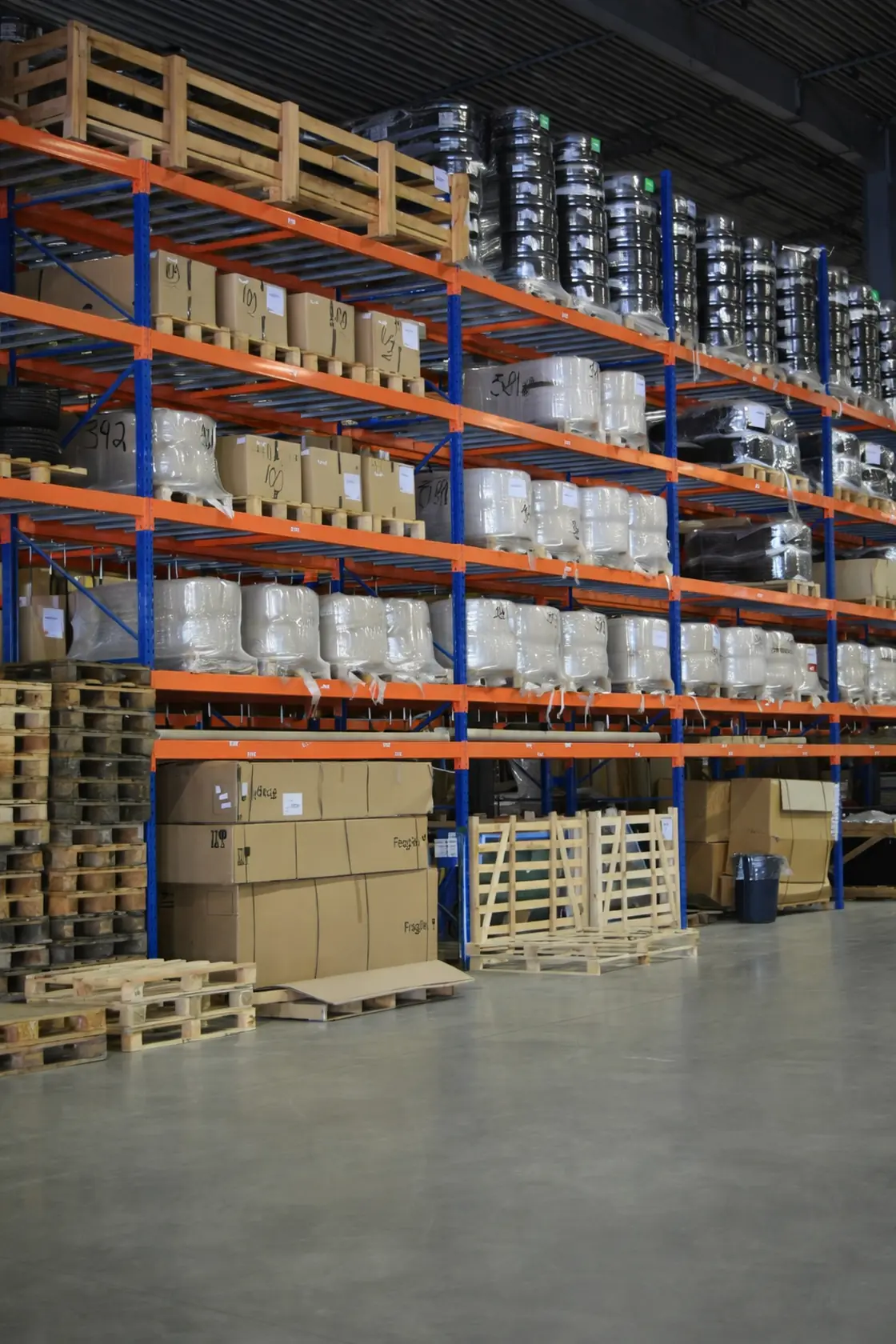
Depending on the goods, inventory may be stored on pallets, shelving, racks, or designated picking locations.
Businesses requiring longer-term commercial storage can also review our guide to Inventory Storage Solutions in Ontario.
Inventory is organized for fulfillment
Once received, products are assigned to storage locations within the warehouse. Frequently ordered products may be placed in easily accessible picking locations while bulk or reserve inventory is stored elsewhere in the facility.
Organized inventory locations help warehouse staff retrieve products efficiently and reduce the risk of picking errors.
An order is received
The order identifies the products and quantities that need to be shipped along with the destination and any specific fulfillment instructions.
Depending on the operation, orders may be transmitted manually, through an order management system, or through another agreed process between the business and warehouse.
Products are picked from inventory
Warehouse staff locate and retrieve the products required for the order. The items are checked against the order information to confirm that the correct products and quantities have been selected.
Efficient storage organization and accurate inventory records are especially important during this stage.
The order is packed
Once the products have been picked and verified, they are prepared for shipment. Packaging may vary depending on:
- Product size
- Weight
- Fragility
- Order quantity
- Customer requirements
- Carrier requirements
- Destination
- Shipping method
Businesses may also provide specific packaging instructions, branded materials, inserts, or other requirements depending on the fulfillment program.
The shipment is prepared for distribution
After packing, the order is labelled and prepared for dispatch.
Warehouse staff check the delivery address, shipping instructions, and any required shipping documents before moving the completed order to a designated dispatch area.
Depending on the fulfillment arrangement, orders may be collected by a courier or freight carrier, or prepared for customer pickup.
Shipment confirmation and tracking information may also be provided through the agreed communication process.
The warehouse may coordinate directly with parcel carriers, trucking companies, or a freight forwarding provider, depending on the size and destination of the shipment.
The order then leaves the warehouse for delivery to the customer, retailer, distributor, or other destination.
Businesses That Use Pick and Pack Fulfillment
Pick and pack services can support a wide range of companies, particularly businesses shipping individual products or smaller orders from stored inventory. Common users include:
- E-commerce retailers
- Manufacturers
- Distributors
- Subscription-box businesses
- Online marketplace sellers
- Consumer product companies
- Importers holding inventory in Canada
- Businesses supplying retail locations
- Companies managing replacement parts
- Businesses shipping recurring customer orders
The required fulfillment setup can vary significantly depending on order volume, product size, inventory turnover, and shipping requirements.
Pick and Pack Fulfillment for Imported Goods
Pick and pack fulfillment can be particularly useful for businesses importing inventory into Canada.
Instead of importing each order individually, a business may import commercial inventory in larger quantities, clear the goods through Canadian customs, store the inventory in a Canadian warehouse, and fulfill customer orders domestically as they are received. This can create a more centralized supply chain:
- Import
- Customs clearance
- Warehousing
- Pick and pack
- Distribution
Garden City provides both commercial customs brokerage and warehousing services, allowing businesses to coordinate imported inventory and domestic fulfillment through related logistics services.
Businesses importing commercial inventory should also ensure they have the appropriate importer account structure before goods arrive in Canada. See Do You Need a Business Number to Import Into Canada? for more information.
What Businesses Should Look for in a Fulfillment Provider
A fulfillment provider becomes an important part of a company's order process, so businesses should consider more than simply the cost of storage. Important factors may include:
- Warehouse location
- Receiving capabilities
- Inventory organization
- Order accuracy
- Storage flexibility
- Pick and pack capabilities
- Packaging options
- Shipping coordination
- Communication
- Inventory reporting
- Returns handling
- Ability to scale with order volume
- Access to freight or customs services where required
The right provider depends on the type of inventory being stored and how frequently orders need to be processed.
Pick and Pack Fulfillment vs. Basic Warehouse Storage
Warehouse storage and pick and pack fulfillment are related services, but they serve different purposes.
Basic warehouse storage focuses primarily on receiving and holding inventory until the owner requests that it be moved or shipped.
Pick and pack fulfillment adds an active order-processing component. Individual products are regularly selected from inventory, assembled into orders, packaged, and prepared for distribution.
Some businesses need only pallet storage, while others require frequent access to inventory for daily or weekly order fulfillment.
How Garden City Supports Pick and Pack Fulfillment
Garden City Customs Services Inc. provides commercial warehousing services in Niagara Falls, Ontario.
Our warehouse supports businesses requiring inventory receiving, storage, pick and pack operations, order preparation, and distribution coordination.
For companies importing goods into Canada, our customs brokerage, freight, and warehousing services can also help coordinate multiple stages of the cross-border supply chain.
This guide is general information, not legal advice. Requirements depend on your specific goods and circumstances, so please confirm details with a licensed customs broker before you ship.