

 Garden City Knowledge Centre

What Changed Under CARM?
CARM became CBSA's official system of record for accounting for imported commercial goods and paying duties and taxes on October 21, 2024.
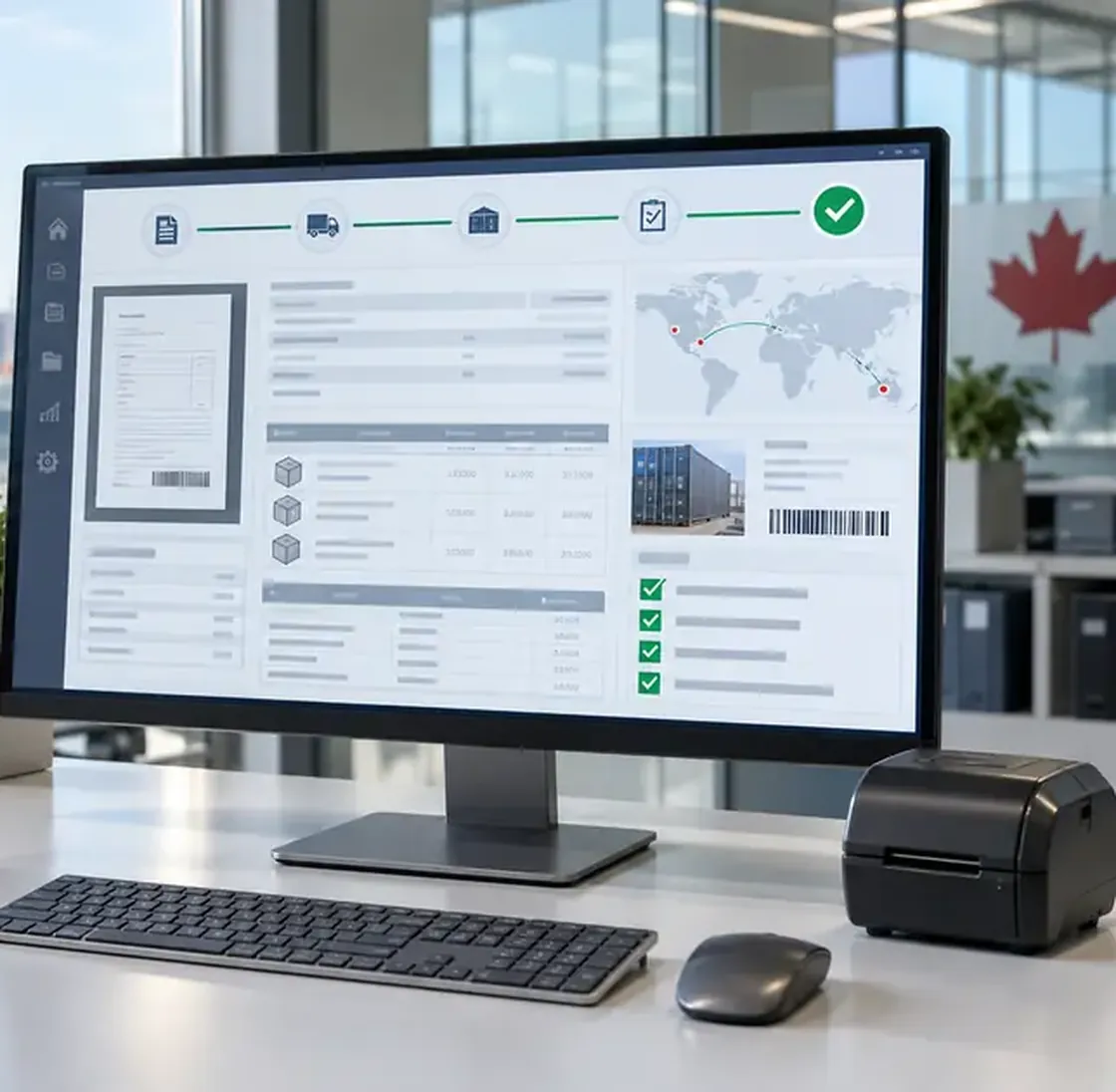
The change shifted several responsibilities more directly to the importer. Businesses now manage their commercial import accounts through the CARM environment and can use the CARM Client Portal to perform activities such as:
- Managing importer account information
- Viewing transaction history
- Accessing Statements of Account
- Making payments
- Delegating authority to customs brokers
- Enrolling in CBSA programs
- Managing Release Prior to Payment
- Posting financial security
- Reviewing account balances and transactions
A customs broker can continue to handle authorized customs transactions, but the importer must maintain its own CBSA account and provide the appropriate delegation.
The Commercial Importer Setup
For a business preparing to import commercial goods into Canada, the account structure generally begins with:
- Business Number (BN9)
- RM import account
- CARM Client Portal
- Broker delegation
- RPP, if required
Commercial importers need a Business Number and an import-export program account before importing commercial goods. CBSA currently allows resident businesses to obtain their BN9 and RM account through the CARM registration process, while non-resident businesses must obtain their BN9 before registering in the portal.
Once the business account has been established, authorized users can manage the importer account and delegate access to service providers.
For businesses just beginning the process, start with Do You Need a Business Number to Import Into Canada?
Release Prior to Payment & Financial Security
Release Prior to Payment is one of the most important CARM-related requirements for commercial importers. RPP allows an importer to obtain release of commercial goods before paying the duties and taxes owing.
Since May 20, 2025, importers that want RPP privileges have been required to provide their own financial security. They can no longer rely on a customs broker's general RPP security for ordinary commercial imports.
Financial security may generally be provided through an eligible electronic bond or cash deposit, subject to CBSA requirements.
An importer without RPP privileges must normally account for the goods and pay applicable duties and taxes as part of obtaining release rather than deferring payment.
This makes RPP planning particularly important for businesses importing frequently or managing time-sensitive supply chains. See Release Prior to Payment in Canada.
What Importers Manage Through CARM
CARM is not simply a registration portal. For active commercial importers, it forms part of ongoing customs account management. Importers may need to monitor:
- Import transactions
- Commercial Accounting Declarations
- Duties and taxes
- Payments
- Statements of Account
- Account balances
- Credits and disbursements
- Broker activity
- RPP status
- Financial security
- Account users and permissions
- Corrections and adjustments
CBSA makes Statements of Account available through CARM, and transaction information can also be reviewed through the portal. This is why businesses should not treat CARM registration as a one-time onboarding task.
Broker Delegation Under CARM
Registering a customs broker and delegating authority are related but separate from establishing the importer's own CARM account.
A commercial importer may authorize a licensed customs broker to conduct customs transactions on its behalf. Depending on the authorization provided, the broker may assist with:
- Customs declarations
- CBSA release processing
- Commercial accounting
- Tariff classification
- Duties and taxes
- Corrections and adjustments
- Import documentation
- Ongoing customs compliance
The importer, however, remains responsible for maintaining its business account and for the accuracy of information reported on its behalf.
Businesses using Garden City for customs clearance can establish the required CARM delegation as part of importer onboarding.

CARM Does Not Replace Customs Compliance
CARM changed how commercial import accounts, accounting, security, and payments are managed. It did not replace the underlying customs requirements that apply to imported goods. Commercial importers still need to manage matters such as:
- HS tariff classification
- Value for duty
- Country of origin
- Tariff treatment
- Duties and taxes
- Commercial invoices
- Permits and certificates
- Other government department requirements
- Customs records
- Post-entry corrections
- CBSA verification activity
For broader customs requirements, visit our Customs Brokerage & Clearance Knowledge Centre.
The CARM account and the customs declaration are connected, but they serve different functions within the import process.
Common CARM Problems for Importers
CARM issues can create operational problems when they are not addressed before a shipment reaches the border. Common problems may include:
- Business Number or RM account issues
- CARM Client Portal registration problems
- Incorrect business information
- Missing broker delegation
- RPP not properly established
- Insufficient or missing financial security
- Account users lacking appropriate permissions
- Unpaid account balances
- Missed payment deadlines
- Import transactions that are not being monitored
- Failure to review Statements of Account
For businesses importing regularly, account management should be treated as part of normal customs operations rather than something addressed only when a shipment is delayed.
Payments, Statements & Ongoing Account Management
Commercial importers should understand how duties and taxes flow through their CBSA account after importation.
CBSA issues Statements of Account showing amounts owing, credits, transactions, and other account activity. Payments must be made according to CBSA's applicable payment schedule. Late payments can result in interest or other collection consequences.
Businesses should establish responsibility internally for reviewing:
- Transactions
- Statement of Account
- Amount owing
- Payment
- Reconciliation
Even when a customs broker assists with accounting or payments, the importer should maintain visibility into its own CBSA account.
Importer Responsibility Under CARM
CARM gives importers greater direct visibility and control over their CBSA accounts, but it also reinforces the importance of importer responsibility. Using a customs broker does not eliminate the importer's obligations relating to:
- Customs declaration accuracy
- Tariff classification
- Customs valuation
- Origin
- Tariff treatment
- Duties and taxes
- Financial obligations
- Supporting records
- Required corrections
Businesses should have procedures for reviewing customs information and addressing errors when they are identified. For more detail, see Importer of Record Responsibilities in Canada.
How Garden City Supports CARM Importers
Garden City Customs Services Inc. supports commercial importers with CARM onboarding and ongoing customs brokerage requirements. Our team can assist businesses with:
- Commercial importer onboarding
- CARM setup guidance
- Broker delegation
- Business Number and RM account requirements
- RPP preparation
- Customs clearance
- Commercial Accounting Declarations
- Tariff classification
- Duties and taxes
- Import compliance
- Corrections and customs support
For businesses establishing a new importer account, CARM onboarding can be coordinated as part of beginning an ongoing customs brokerage relationship with Garden City.