Horse & Equine Import Services for Canada

Horse and equine imports are one of our specialties. Two dedicated brokers on our team handle horses entering Canada, from the health paperwork to release at the border.

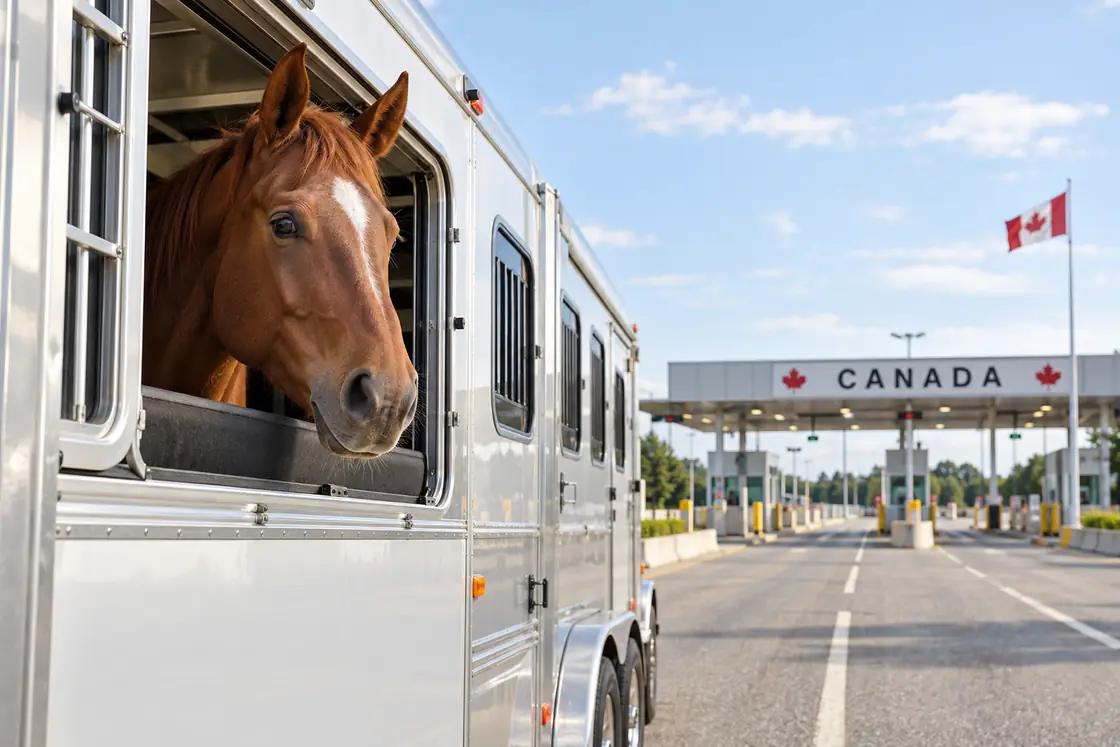
Chestnut horse looking out of an aluminum horse trailer approaching a Canadian border crossing

Our equine import service covers

  • Horses imported into Canada
  • Customs declarations for horses
  • Checks of the U.S. health certificate and EIA/Coggins test
  • CFIA permits when they apply
  • Coordination with your transporter and port of entry
  • Business Number and CARM setup
Who it's for
Businesses importing horses into Canada with a Canadian Business Number
Specialists
Two dedicated brokers who specialize in horse and equine imports
Rules to check
CFIA's import health requirements for horses, published in its Automated Import Reference System (AIRS)

Equine Imports Are One of Our Specialties

Garden City Customs Services Inc. has a lot of experience importing horses into Canada. Two brokers on our team are dedicated to equine imports, so your horses are handled by brokers who specialize in equine health certificates and CFIA requirements.

We work with businesses importing horses under a Canadian Business Number, and we clear at any port of entry in Canada.

What Canada Requires for Horses From the United States

The Canadian Food Inspection Agency (CFIA) sets the health rules for horses entering Canada, and the Canada Border Services Agency (CBSA) enforces them at the border. Canada's import health requirements for horses from the United States include:

  • A U.S. veterinary health certificate for the horses, normally one per horse
  • A negative equine infectious anemia test (Coggins or ELISA) within six months before export; nursing foals under five months travelling with their dam are exempt
  • A veterinary inspection within 30 days before export, finding the horses healthy and fit to travel
  • Contagious equine metritis (CEM) and vesicular stomatitis statements on the certificate
  • A CFIA import permit and extra testing for horses that have been in Texas or New Mexico in the previous 21 days

Requirements can change quickly, for example when a U.S. state has a disease outbreak. Always confirm the current rules in CFIA's Automated Import Reference System (AIRS) before the horses travel. We check them for each import.

Opening Your Account With Garden City

Every horse importer opens an account with us before the first crossing. Our team walks you through it:

  1. Business Number and import account

    Your business needs a Business Number (BN) from the Canada Revenue Agency and an RM import-export account.

  2. CARM registration

    Your business registers in CBSA's CARM Client Portal and delegates Garden City as its customs broker.

  3. Release Prior to Payment (RPP)

    If you want horses released before duties and taxes are paid, your business enrols in RPP, which requires financial security posted with CBSA.

  4. Brokerage proposal and agency agreement

    We send a brokerage proposal and the Power of Attorney & Agency Agreement. It must be signed and dated by hand in ink by a company officer, with each page of the terms initialled; digital signatures aren't accepted.

New to importing? Our First-Time Importer Guide covers each step in detail, with a checklist to print.

How an Equine Import Works With Us

  1. Send us the horse details
  2. Check CFIA requirements and documents
  3. Prepare the customs declaration
  4. Coordinate the crossing with your transporter
  5. Release into Canada

Getting the paperwork right before the trailer leaves is what keeps horses from waiting at the border. Send your details early, especially if a CFIA permit may be needed.

Duties, Taxes and Temporary Entries

What you pay depends on why the horses are coming to Canada, where they're from and how they're classified. A horse sold to a Canadian buyer is treated differently from one entering for a competition and leaving again, or a Canadian horse coming home.

Our horse import brokers confirm the treatment for your shipment before it crosses, so there are no surprises at the border. See Understanding Duties, Taxes & GST for how import charges work in general.

You Need a Canadian Business Number

Horse imports are handled for businesses with a Business Number from the Canada Revenue Agency. U.S. and other non-Canadian businesses can register for one as non-resident importers. See our Non-Resident Importer Guide and First-Time Importer Guide.

Official Sources

Two dedicated horse import brokers. Paperwork checked before the trailer leaves.
Start your horse import

Tell us about the horses, where they're crossing and your business. Our equine import brokers review every request; a Canadian Business Number is required.

  1. An equine import specialist reviews itOne of our two dedicated horse import brokers looks over your details.
  2. We open your accountA brokerage proposal and your Power of Attorney & Agency Agreement, signed by hand in ink. We confirm your CARM registration and delegation to Garden City, and RPP if you need it.
  3. We check the paperworkThe U.S. health certificate, EIA/Coggins test and any CFIA permit, before the horses ship.
  4. We prepare the declarationAnd coordinate release at your port of entry.
Prefer to talk it through?888-481-2048Toll-free across Canada and the U.S.

1. The horses

2. Where they are and how they're crossing

Have any of the horses been in Texas or New Mexico in the last 21 days?
Is the U.S. health certificate (with a negative EIA/Coggins test) arranged?

3. The importer

Horse import requests need a Canadian Business Number. Importing as a U.S. or other non-Canadian business? You need one from the CRA too: see our non-resident importer guide or register for a Business Number.

4. Your import account

Is your business registered in the CARM Client Portal?
Are you enrolled in Release Prior to Payment (RPP)?
Do you already have a customs broker?

5. Contact person

We'll only use these details to reply about this import. Questions? Call 888-481-2048.

Frequently asked questions

Straight answers from licensed customs brokers. Don't see your question?

What is CARM, and do I need to register?

CARM, the CBSA Assessment and Revenue Management system, is CBSA's official system for managing duties and taxes on commercial goods imported into Canada. Commercial importers register their business in the CARM Client Portal and can use the portal to manage account information, statements, payments, and other customs-related activity. If Garden City Customs Services Inc. is acting as your customs broker, your business must also delegate the appropriate authority to us through the CARM Client Portal. CBSA states that a customs broker cannot submit a Commercial Accounting Declaration on an importer's behalf until that authority has been delegated.

What information do you need to clear a shipment?

Typically, we require a commercial invoice, importer and exporter information, a description of the goods, country of origin, value, and shipment details such as the carrier and expected arrival information. Depending on the products being imported, additional permits, certificates, licences, or supporting documentation may also be required.

Can you clear shipments at ports outside Ontario?

Yes. Although our offices are located in the Niagara Region, Garden City Customs Services Inc. provides customs clearance services for commercial shipments entering Canada through ports of entry across the country.

Bringing Horses Into Canada?

Talk to one of our horse import specialists about your shipment before it ships.

Dedicated horse import brokers • CFIA paperwork checks • Canadian customs clearance