


 Freight Forwarding & Logistics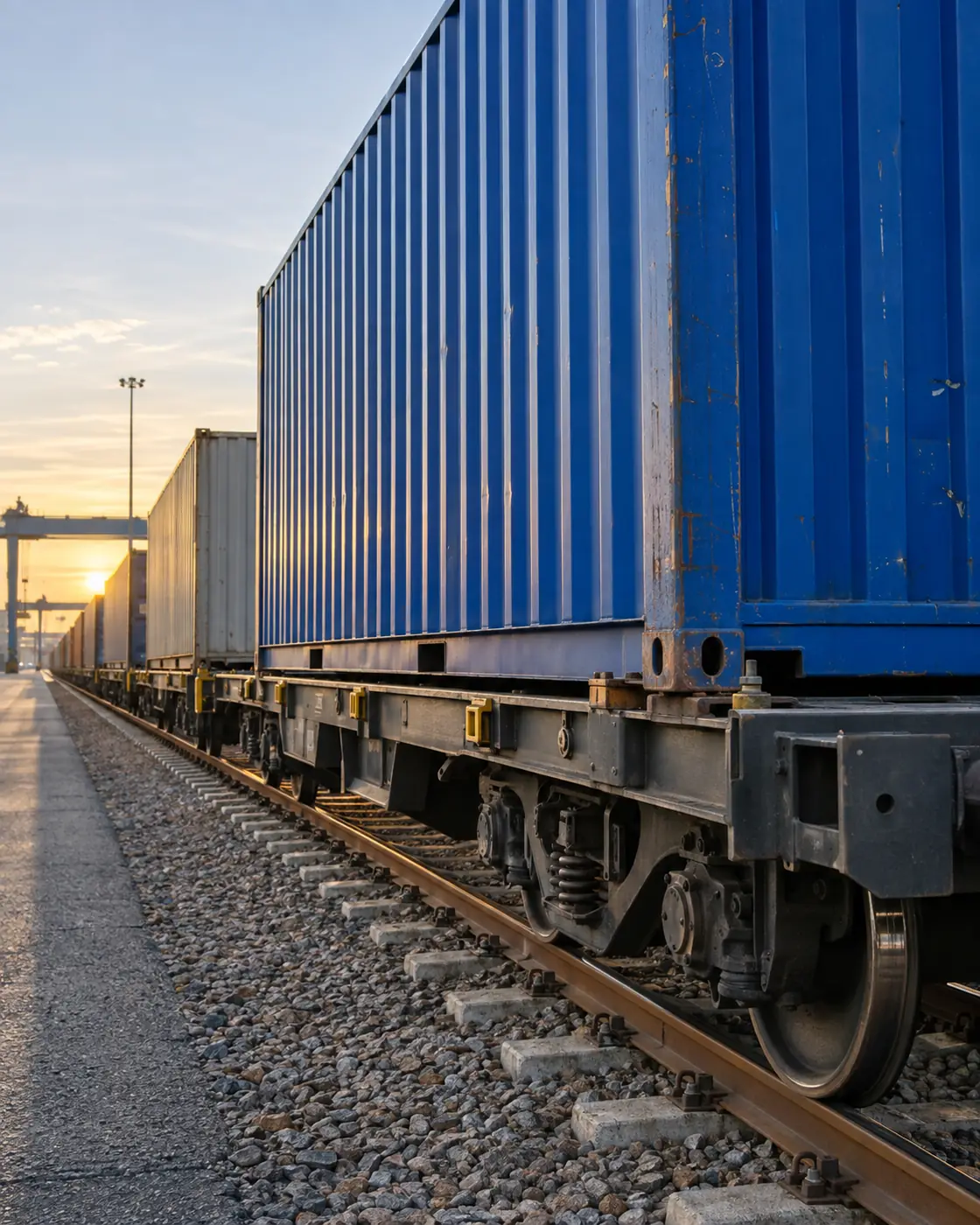
Why Freight Forwarding Matters
For companies importing goods into Canada, freight forwarding services help coordinate complex shipping routes, manage documentation requirements, and ensure that shipments move efficiently between international suppliers and Canadian destinations.
By coordinating transportation networks and logistics services, freight forwarders play an essential role in maintaining predictable supply chains and reducing disruptions during international shipping.
The Role of Freight Forwarders in Global Logistics
Freight forwarders act as intermediaries between businesses shipping goods and the transportation providers responsible for moving those goods. Instead of owning ships, trucks, or aircraft themselves, forwarders arrange transportation services through a network of carriers and logistics partners.
This coordination allows businesses to move goods internationally without needing to manage every stage of transportation independently. Freight forwarding services commonly include:
- Arranging international transportation
- Booking cargo space with carriers
- Coordinating multimodal shipping routes
- Managing shipping documentation
- Organizing cargo consolidation and handling
Through these services, freight forwarders simplify complex logistics operations and allow businesses to focus on their core activities.
How International Shipments Move Through the Freight Process
International freight shipments typically move through several operational stages before reaching their final destination. Each stage involves coordination between logistics providers, transportation carriers, and customs authorities. Understanding how this process unfolds helps importers anticipate potential delays and manage supply chain timelines more effectively.
Booking transportation
The freight process begins with arranging transportation from the supplier's location to the destination country. Freight forwarders work with carriers such as shipping lines, airlines, trucking companies, or rail operators to reserve cargo space.
Transportation routes are selected based on factors such as shipment size, delivery timelines, and cost considerations.
Cargo consolidation
In many cases, freight forwarders combine shipments from multiple suppliers into a single cargo movement. This process, known as consolidation, allows businesses to share transportation space and reduce shipping costs.
Consolidation is particularly common in ocean freight and air freight shipments where multiple customers share container or cargo capacity.
Customs clearance coordination
When shipments arrive in Canada, they must be declared to the Canada Border Services Agency before they can enter the domestic supply chain. Freight forwarders often coordinate with licensed customs brokers to ensure that import documentation is prepared and submitted correctly.
This coordination helps ensure that shipments move through customs processing efficiently and that duties and taxes are properly assessed.
Final delivery and distribution
Once goods have cleared customs, freight forwarders coordinate transportation to the final destination. This may involve trucking shipments to warehouses, distribution centres, or directly to the importer's facility.
Efficient coordination during this stage helps minimize delays and ensures that shipments remain aligned with business delivery schedules.
Transportation Modes Used in Freight Forwarding
Freight forwarders typically coordinate several transportation methods depending on the origin of the shipment, cargo characteristics, and delivery timelines. Common transportation modes include:
- Air freight: used for high-value or time-sensitive shipments requiring rapid transit.
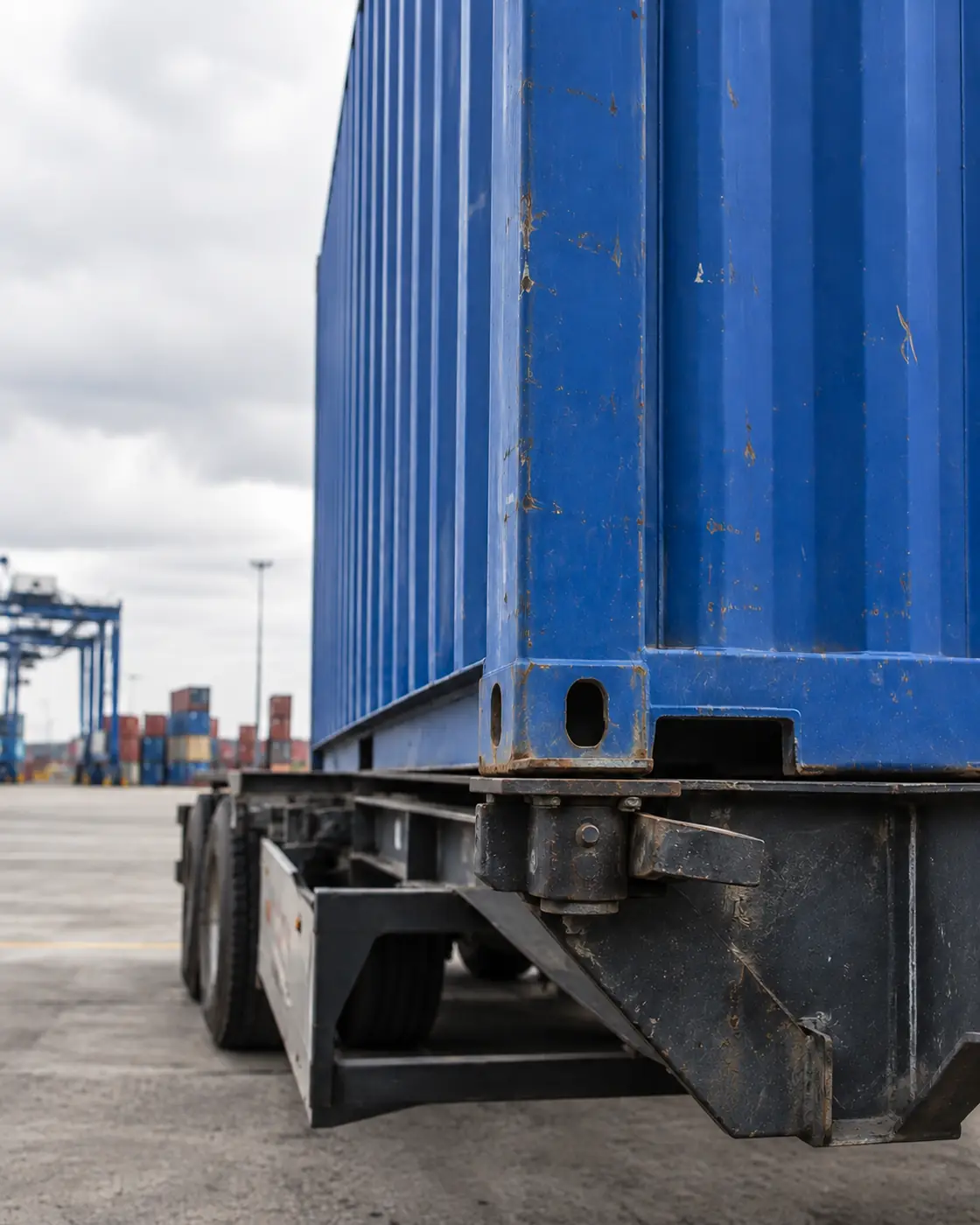
- Ocean freight: common for large international shipments and containerized cargo.
- Truck freight: often used for cross-border shipping between the United States and Canada.
- Rail freight: used for large bulk shipments or long-distance cargo movement across North America.
Selecting the appropriate transportation mode is an important part of managing logistics efficiency and transportation costs.
When Businesses Use Freight Forwarders
Businesses typically rely on freight forwarders when managing international shipments that involve multiple transportation stages or complex logistics coordination. Freight forwarding services are particularly valuable when shipments require:
- International transportation coordination
- Cross-border logistics planning
- Consolidation of cargo from multiple suppliers
- Documentation management for international shipping
- Coordination with customs brokers and regulatory authorities
By coordinating these functions, freight forwarders help ensure that goods move efficiently through global supply chains.
How Customs Brokers Assist With Freight Shipments
Although freight forwarders coordinate transportation logistics, customs brokers play a critical role in ensuring that imported goods comply with national import regulations. Licensed customs brokers prepare customs declarations, calculate duties and taxes, and communicate with the Canada Border Services Agency during the import process.
By coordinating customs clearance and regulatory documentation, customs brokers help ensure that freight shipments entering Canada move through border processing efficiently and remain compliant with Canadian customs legislation.
Garden City provides freight forwarding coordination alongside licensed customs brokerage. See How Customs Brokerage Works in Canada for the customs side of the shipment.
This guide is general information, not legal advice. Requirements depend on your specific goods and circumstances, so please confirm details with a licensed customs broker before you ship.