


 Freight Forwarding & Logistics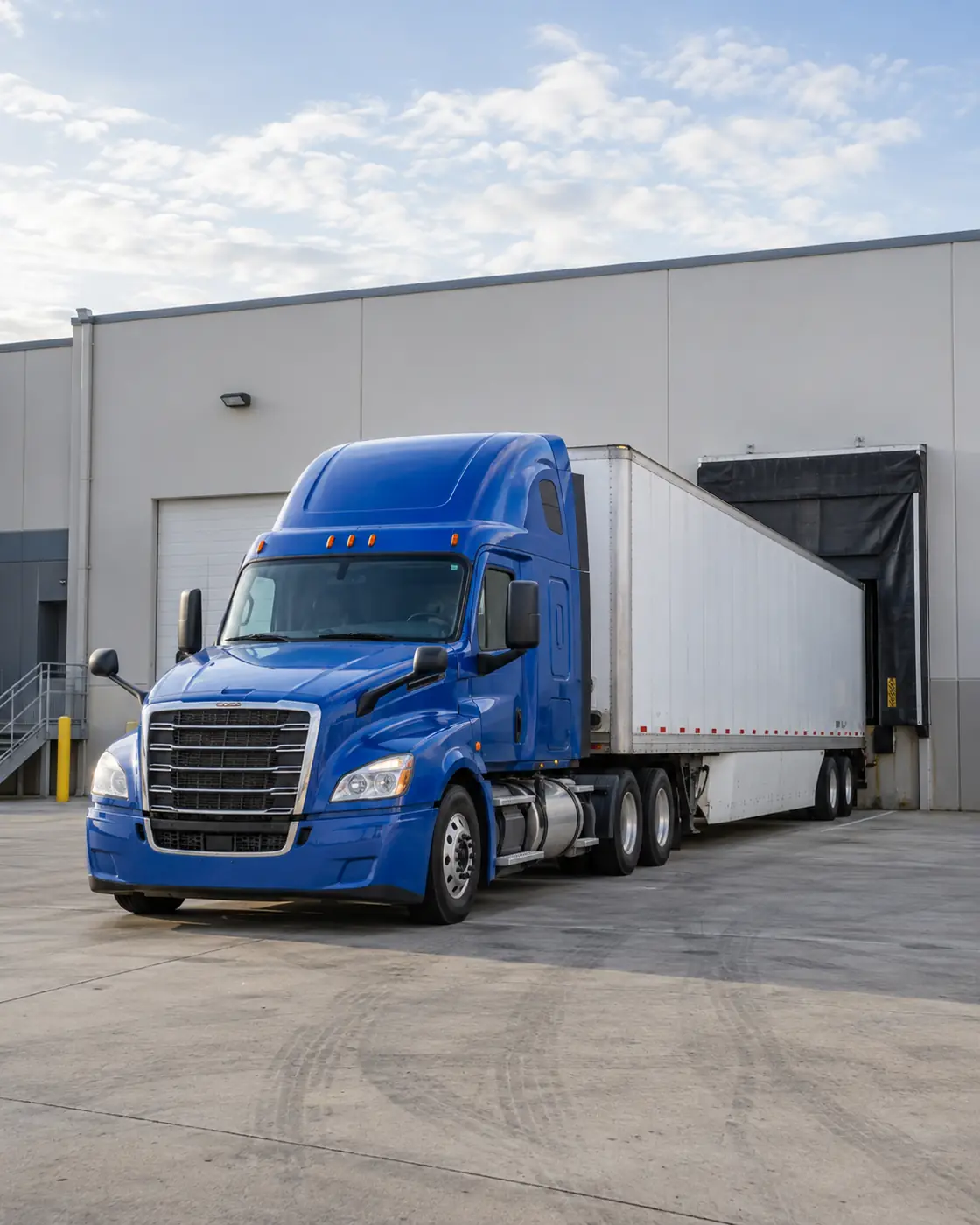
Two Roles, One Shipment
Businesses moving goods internationally often encounter both freight forwarders and customs brokers during the import process.
Understanding how these two roles differ helps importers manage international shipments more effectively and ensures that logistics operations remain compliant with customs regulations.
What a Freight Forwarder Does
Freight forwarders specialize in coordinating the physical movement of goods between countries. They act as logistics intermediaries, arranging transportation services and managing the operational aspects of shipping cargo internationally.
Rather than owning transportation assets themselves, freight forwarders typically work with shipping lines, airlines, trucking companies, and rail carriers to move cargo through international supply chains.
Freight forwarding services commonly include:
- Booking cargo space with transportation carriers
- Coordinating multimodal shipping routes
- Consolidating shipments from multiple suppliers
- Arranging cargo handling and storage
- Managing international shipping documentation
By coordinating these logistics functions, freight forwarders help businesses move products across borders efficiently and predictably.
What a Customs Broker Does
Customs brokers specialize in regulatory compliance related to importing goods into a country. Their role focuses on preparing import documentation, calculating duties and taxes, and ensuring shipments meet the requirements of customs authorities.
In Canada, licensed customs brokers interact directly with the Canada Border Services Agency on behalf of importers. Brokers prepare import declarations, submit documentation electronically, and coordinate the release of goods entering the country. Customs brokerage services typically involve:
- Preparing customs declarations
- Verifying tariff classification of imported goods
- Calculating duties, taxes, and applicable fees
- Ensuring compliance with import regulations
- Coordinating shipment release through customs authorities
Although customs brokers may assist with logistics coordination, their primary responsibility is ensuring that shipments meet legal import requirements.
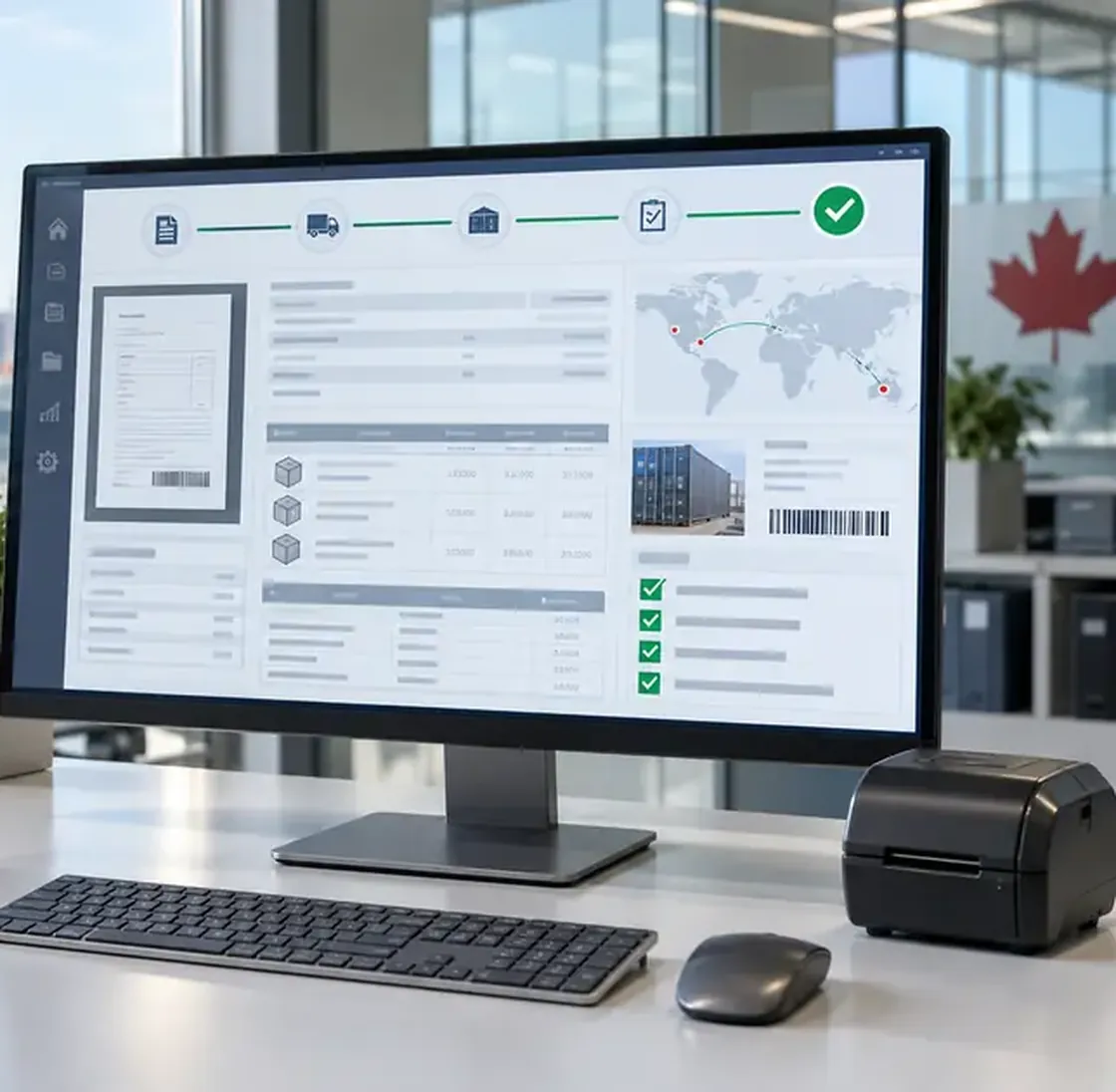
Where Freight Forwarders and Customs Brokers Overlap
Although freight forwarders and customs brokers perform different functions, their work often intersects during international shipments. Freight forwarders arrange transportation and move goods across borders, while customs brokers ensure those goods comply with import regulations when they arrive.
In many supply chains, freight forwarders and customs brokers coordinate closely to ensure shipments move smoothly from origin to destination. The freight forwarder manages transportation logistics, while the customs broker manages regulatory clearance.
This collaboration allows businesses to maintain efficient international shipping operations while ensuring compliance with customs legislation.
How Freight Forwarders and Customs Brokers Work Together
International shipments typically involve several operational stages. Freight forwarders and customs brokers each play distinct roles throughout this process. A typical shipment workflow may involve:
- Forwarder coordinates pickup from the supplier
- Carriers transport cargo internationally
- Broker prepares import declarations
- Customs reviews and releases
- Final delivery to importer or warehouse
Because each stage involves different operational requirements, businesses often rely on both logistics providers and customs brokers to manage different parts of the process.
When Businesses Need Both Services
Many businesses importing goods regularly rely on both freight forwarders and customs brokers to manage their supply chains. Freight forwarders handle the transportation logistics, while customs brokers ensure shipments meet regulatory requirements at the border.
This combination allows importers to focus on their core business activities while experienced logistics professionals manage transportation coordination and regulatory compliance.
For companies importing goods into Canada, working with a licensed customs broker is particularly important because import declarations must be submitted accurately and in accordance with Canadian customs legislation.
The Role of Licensed Customs Brokers in Canadian Imports
While freight forwarders coordinate the movement of cargo, licensed customs brokers play a critical role in ensuring shipments comply with national import regulations. Brokers prepare customs declarations, verify tariff classifications, calculate duties and taxes, and communicate directly with the Canada Border Services Agency during the clearance process.
By ensuring that regulatory requirements are met before goods enter the Canadian market, customs brokers help importers avoid delays, reassessments, and compliance risks.
For the customs side in more detail, read How Customs Brokerage Works in Canada.
This guide is general information, not legal advice. Requirements depend on your specific goods and circumstances, so please confirm details with a licensed customs broker before you ship.