


 Freight Forwarding & Logistics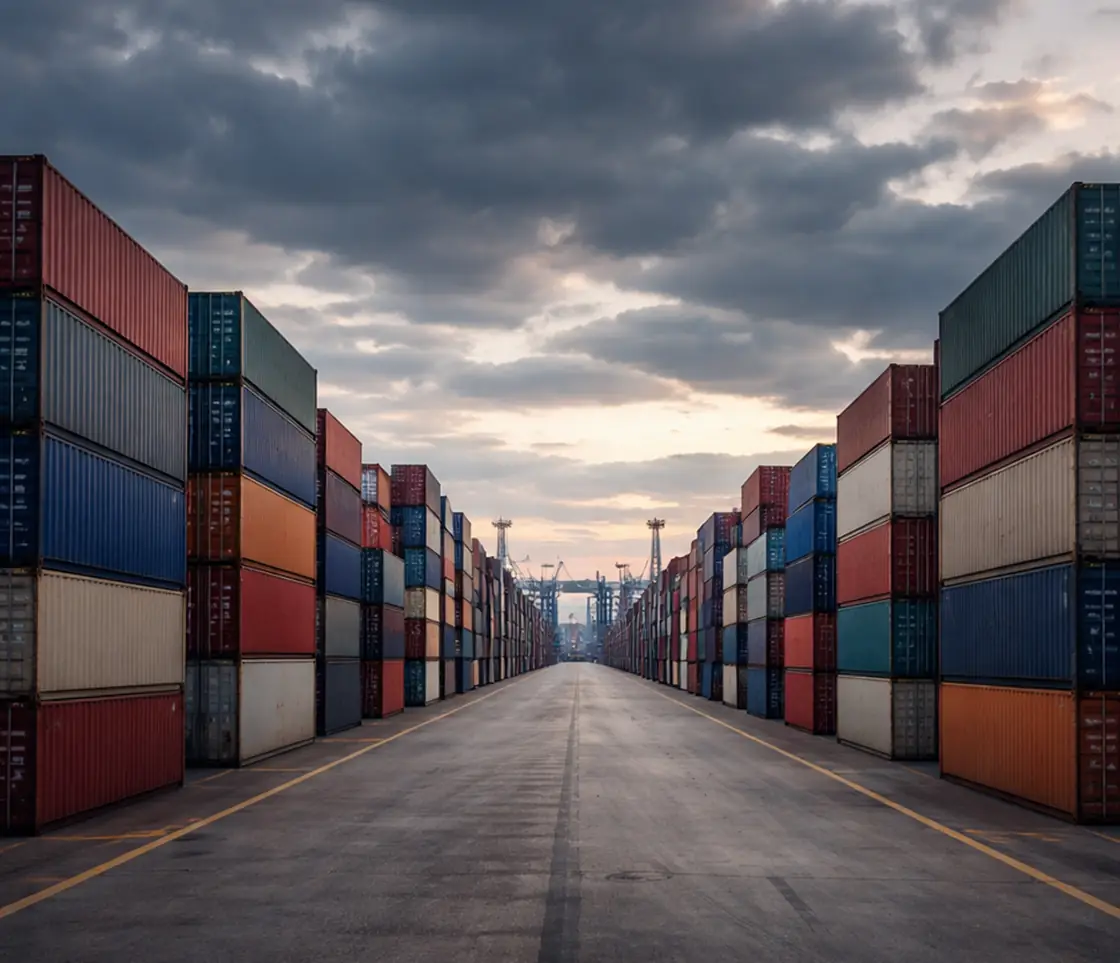
Choosing Between Air and Ocean
International shipments entering Canada are transported using several logistics methods, with air freight and ocean freight representing two of the most common options for long-distance cargo movement. Each method offers distinct advantages depending on shipment size, delivery timelines, and transportation costs.
Selecting the appropriate freight method can influence supply chain efficiency, inventory planning, and overall shipping costs.
Understanding Air Freight Transportation
Air freight refers to cargo transported by aircraft between international airports. This transportation method is widely used for time-sensitive shipments where rapid delivery is essential.
Air cargo typically moves through structured airline logistics networks that connect major international cargo hubs. Freight forwarders coordinate cargo bookings with airline carriers and manage the documentation required for international transport.
Because air transportation significantly reduces transit times, it is often used for high-value goods, urgent shipments, and products requiring predictable delivery schedules. Common cargo types transported by air freight include:
- Electronics and high-value goods
- Medical equipment and pharmaceuticals
- Time-sensitive manufacturing components
- Fashion and seasonal retail inventory
Understanding Ocean Freight Transportation
Ocean freight refers to cargo transported by container ships between international seaports. This method is widely used for large shipments moving between global manufacturing hubs and destination markets.
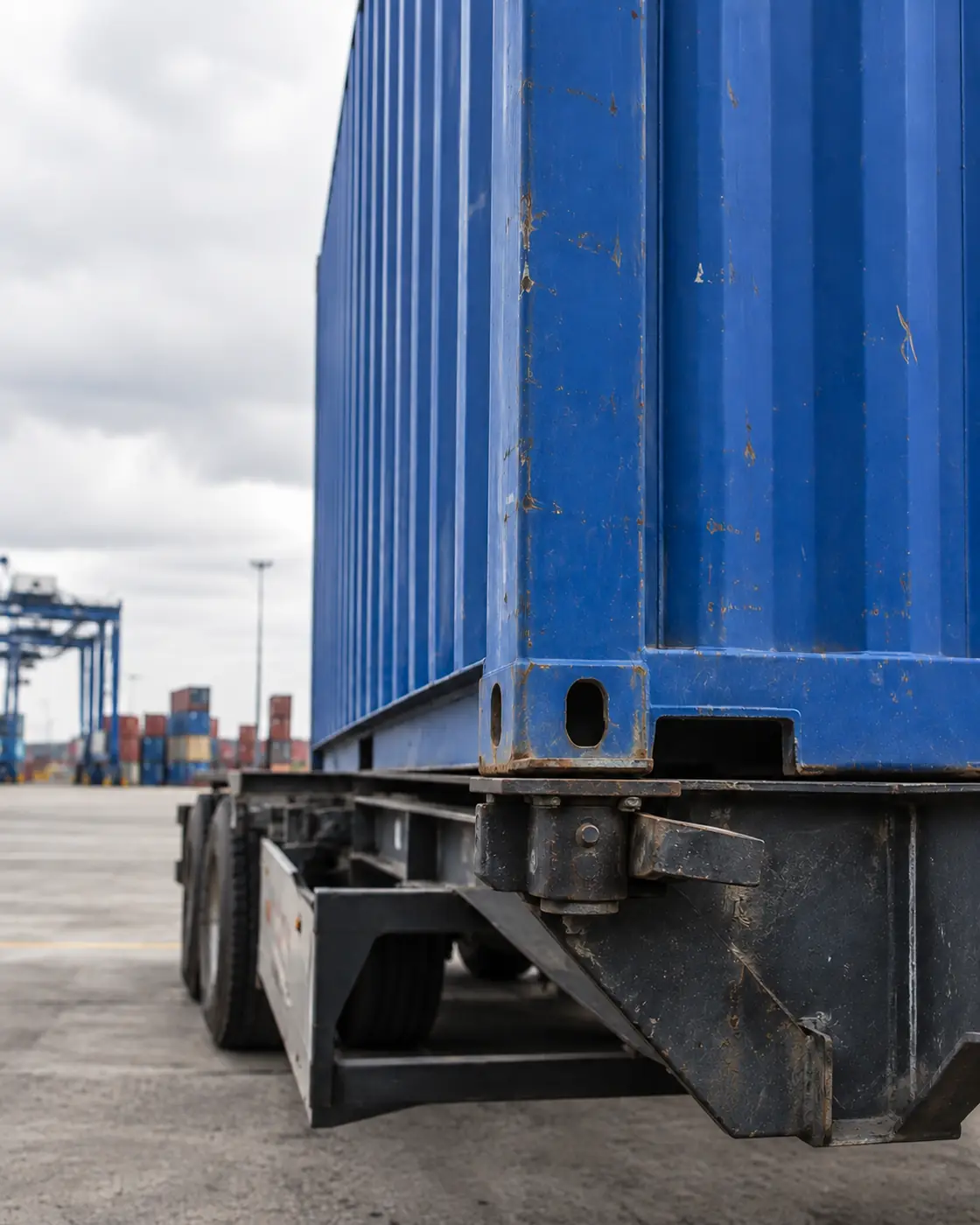
Ocean cargo is typically transported in standardized shipping containers that allow goods to be loaded, moved, and unloaded efficiently throughout international logistics networks.
Although ocean freight transit times are longer than air transportation, the cost per shipment is significantly lower. As a result, ocean shipping is commonly used for high-volume cargo where delivery speed is less critical. Ocean freight is frequently used for:
- Large manufacturing shipments
- Bulk commodities
- Containerized consumer goods
- Industrial equipment and machinery
Transit Time Differences
One of the most significant differences between air freight and ocean freight is transit speed.
Air freight shipments typically reach Canada within a few days depending on origin and airline routing. This rapid delivery allows businesses to respond quickly to changes in demand and maintain tight inventory cycles.
Ocean freight shipments, by contrast, often require several weeks of transit time depending on the shipping route and port congestion levels. Additional time is also required for port handling, container unloading, and inland transportation.
For businesses managing time-sensitive supply chains, transit time considerations often influence the decision between air and ocean freight.
Cost Considerations for Freight Transportation
Transportation cost is another major factor influencing freight decisions. Air freight is generally the most expensive method of transporting cargo due to aircraft operating costs and limited cargo capacity.
Ocean freight provides significantly lower cost per shipment, particularly for large cargo volumes. Shipping containers allow businesses to move substantial quantities of goods at a lower transportation cost per unit.
Importers must weigh the cost difference between these transportation methods against delivery timelines and inventory requirements.
Cargo Capacity and Shipment Size
Air freight is typically used for smaller shipments due to cargo space limitations on aircraft. Weight restrictions and dimensional limits often influence whether cargo can be transported by air.
Ocean freight, on the other hand, allows businesses to transport extremely large shipments using standardized shipping containers. Full container loads and consolidated shipments allow importers to move high volumes of goods across international routes.
For businesses importing large quantities of inventory, ocean freight often provides greater flexibility for cargo capacity.
Choosing the Right Freight Method
Selecting the appropriate freight method depends on several operational factors within the importer's supply chain. Businesses often consider:
- Shipment urgency
- Cargo value
- Shipment size and weight
- Transportation budget
- Inventory planning requirements
In some cases, businesses use a combination of air and ocean freight to balance transportation cost with delivery timelines.
Freight forwarders often assist importers in selecting transportation routes that align with operational and financial objectives.
How Customs Brokers Assist With Freight Shipments
Although freight forwarders coordinate transportation logistics, imported goods entering Canada must still comply with customs reporting requirements. Licensed customs brokers assist importers by preparing customs declarations, submitting import documentation electronically, and communicating with the Canada Border Services Agency during customs clearance.
By ensuring that import declarations are accurate and compliant with Canadian regulations, customs brokers help freight shipments move through border processing efficiently and enter the domestic supply chain without unnecessary delays.
This guide is general information, not legal advice. Requirements depend on your specific goods and circumstances, so please confirm details with a licensed customs broker before you ship.