


 Freight Forwarding & Logistics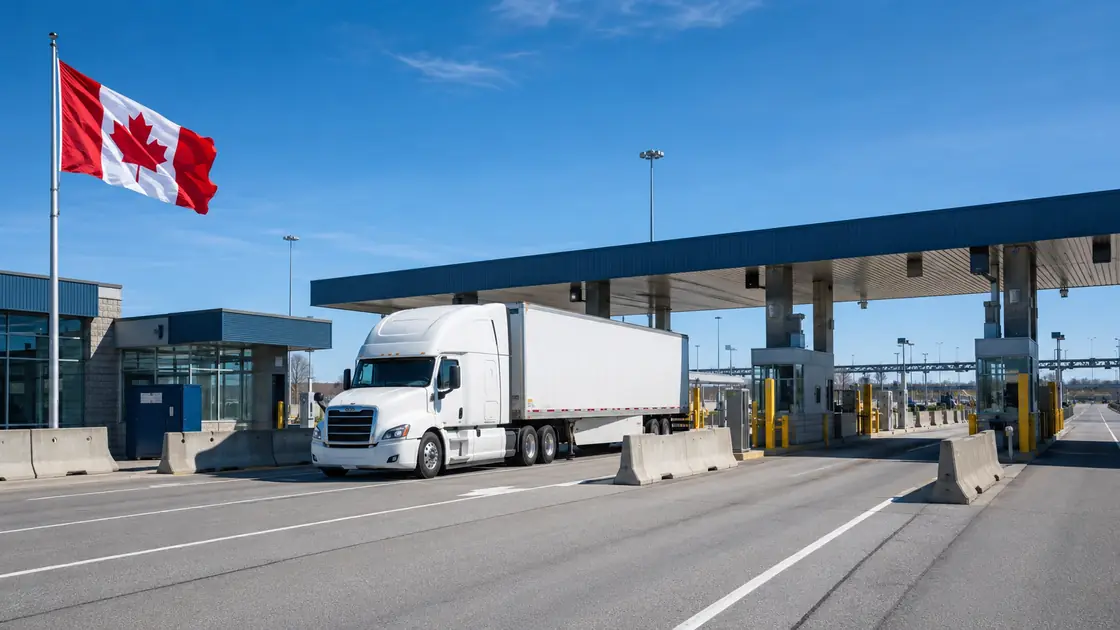
Why Cross-Border Freight Needs Coordination
Cross-border freight shipping between the United States and Canada represents one of the largest trade corridors in the world. Businesses on both sides of the border rely on structured logistics networks to move goods efficiently between manufacturers, suppliers, distributors, and retailers.
Understanding how cross-border freight operates helps businesses anticipate delays, coordinate logistics partners, and ensure that goods move smoothly through the Canada–U.S. trade corridor.
How Cross-Border Freight Moves Between the U.S. and Canada
Freight shipments moving between the United States and Canada typically follow a structured logistics process involving transportation coordination, customs reporting, and final distribution.
- Supplier facility
- Carrier or forwarder network
- Border crossing
- Customs declaration
- Release
- Domestic distribution
The process usually begins with cargo leaving the supplier's facility and entering a transportation network managed by freight carriers or freight forwarders. The shipment then travels toward a designated border crossing where customs declarations must be submitted.
Once customs authorities have reviewed the import documentation and released the shipment, the goods can continue through the domestic distribution network toward their final destination.
This coordinated process ensures that goods move through international borders in compliance with regulatory requirements while maintaining predictable delivery schedules.
Common Transportation Methods for Cross-Border Freight
Several transportation methods are used to move freight between the United States and Canada. The appropriate method depends on shipment size, delivery timelines, and logistical considerations.
Truck freight
Truck transportation is the most common method for cross-border freight movement between Canada and the United States. Commercial trucking networks allow shipments to move quickly between suppliers and Canadian distribution points.
Rail freight
Rail freight is commonly used for large bulk shipments or heavy cargo moving across long distances. Rail transportation is particularly useful for commodities and industrial materials.
Air freight
Air freight is used for time-sensitive shipments requiring rapid delivery. While air transportation is significantly faster than other methods, it is typically more expensive and used for high-value cargo.
Ocean freight
Although less common for direct Canada–U.S. shipments, ocean freight may be used when cargo is arriving from overseas before entering Canada through a U.S. port.
Customs Clearance in Cross-Border Shipping
Freight shipments entering Canada must be declared to the Canada Border Services Agency before they can enter the domestic supply chain. Import declarations must include information about the goods being transported, including value, origin, and tariff classification.
Licensed customs brokers typically prepare and submit these declarations electronically. Customs authorities review the documentation to ensure that duties and taxes are assessed correctly and that the shipment complies with applicable import regulations.
Once customs processing is completed, the shipment may be released and allowed to continue toward its final destination.
Common Delays in Cross-Border Freight Shipping
Although cross-border freight networks are highly developed, shipments may occasionally encounter delays due to documentation issues or regulatory reviews. Common causes of cross-border freight delays include:
- Incomplete shipping documentation
- Incorrect tariff classification
- Missing commercial invoices
- Customs inspections
- Transportation scheduling issues
Preparing documentation carefully and coordinating logistics partners in advance can significantly reduce the likelihood of delays during cross-border shipments. See Common Reasons Shipments Are Held at Canada Customs for more detail.
The Importance of Logistics Coordination
Successful cross-border freight operations require coordination between multiple parties, including freight carriers, logistics providers, customs brokers, and importers. Each participant plays a role in ensuring that shipments move efficiently through transportation networks and customs processing systems.
Freight forwarders typically coordinate the transportation aspects of the shipment, while customs brokers handle the regulatory requirements necessary for importing goods into Canada. By working together, these logistics professionals help businesses maintain efficient international supply chains.
How Customs Brokers Support Cross-Border Freight
Cross-border freight shipments must comply with customs reporting requirements before they can enter Canada. Licensed customs brokers assist importers by preparing customs declarations, submitting documentation electronically, and communicating with the Canada Border Services Agency during the clearance process.
By ensuring that import documentation is accurate and compliant with Canadian regulations, customs brokers help reduce delays and allow freight shipments to move through border crossings efficiently.
Garden City's offices serve the Peace Bridge and Queenston-Lewiston Bridge crossings. Learn about our freight forwarding and customs brokerage services.
This guide is general information, not legal advice. Requirements depend on your specific goods and circumstances, so please confirm details with a licensed customs broker before you ship.