


 Low Value Shipments (LVS)
Start With Who the Importer Is
Every import has an importer, the party responsible for the declaration, the duties and taxes, and the records. For e-commerce, that can be:
- The customer, when you ship each order and the courier clears it as a personal (casual) import; the customer may pay duties, taxes and fees at delivery
- Your business as a non-resident importer, when you import in your own name so customers receive goods with charges already paid
- A Canadian business, when it buys and imports your goods for resale
Option 1: Ship Orders Directly by Courier
Each order travels to the customer by courier. Low-value orders may qualify for the courier thresholds: shipments from the U.S. or Mexico have no duties or taxes up to CAD $40 and no duties up to $150, and shipments from other countries are relieved up to $20. See Duties and Taxes on Low-Value Imports.
It's simple to start, but customers may face charges at the door, and returns cross the border one parcel at a time.
Option 2: Import as a Non-Resident Importer
A business outside Canada can register as a non-resident importer, get a Business Number from the Canada Revenue Agency and import in its own name. Customers then receive orders without paying charges at delivery. Frequent commercial shipments valued at CAD $3,300 or less may move through the LVS program.
See the Non-Resident Importer Guide and Is LVS Right for Your Business?.
Option 3: Import in Bulk and Fulfill From Canada
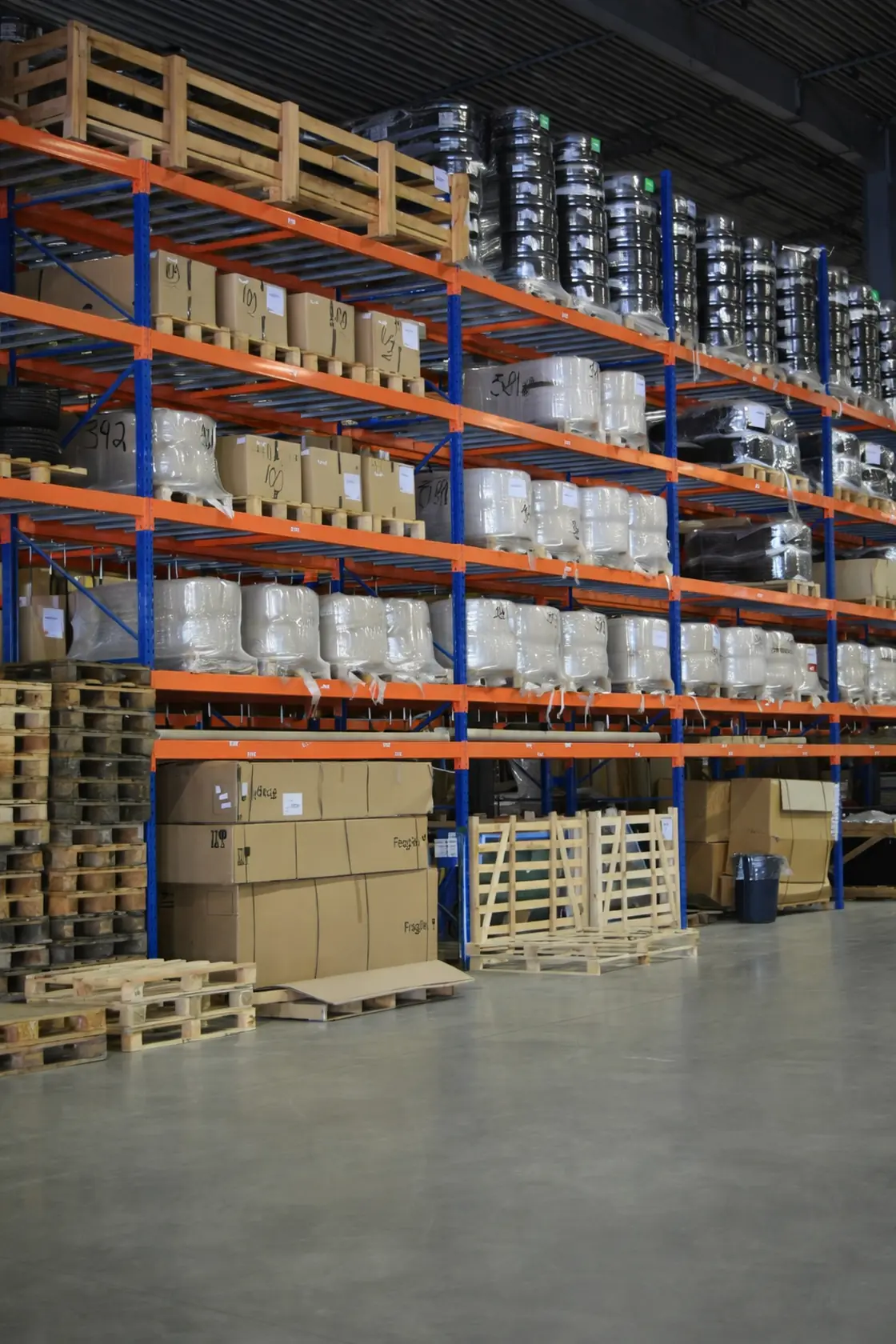
Stock is imported in larger shipments to a Canadian warehouse, then picked, packed and shipped to customers inside Canada. One commercial import replaces many small ones, delivery inside Canada is faster, and returns can be handled locally instead of shipped back across the border.
Garden City offers warehousing, pick and pack fulfillment and returns processing from Niagara Falls, alongside customs clearance.
Rules That Apply Whichever Route You Choose
- Declare accurate values and descriptions. Vague descriptions and low values cause holds and penalties.
- Don't split shipments to stay under a threshold or the CAD $3,300 LVS limit.
- Check for regulated goods. Food, cosmetics, supplements, plants, animal products and some electronics can have extra requirements. See Import Permits and Regulated Goods.
- Keep records. Commercial importers keep import records for six years.
Official Sources
This guide is general information, not legal advice. Requirements depend on your specific goods and circumstances, so please confirm details with a licensed customs broker before you ship.