


 CARM & Import Compliance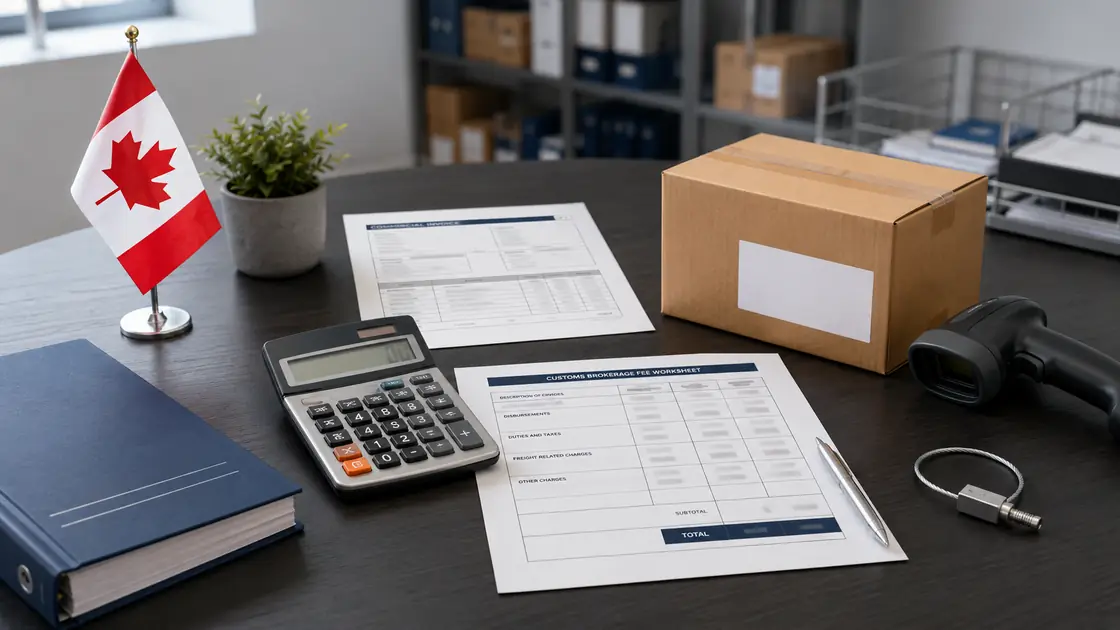
Why CBSA Implemented the CARM System
CARM was introduced to modernize CBSA's legacy accounting and revenue management processes. The objective was to create a centralized, digital platform that gives importers direct visibility into duties, taxes, statements of account, and financial security requirements.
Prior to CARM, customs accounting processes were largely broker-driven and less transparent for importers. The new framework places greater responsibility and visibility directly with the importer of record.
Businesses importing goods into Canada must register in the CARM Client Portal to maintain Release Prior to Payment privileges and manage their customs accounts.
How CARM Changes the Import Process for Commercial Importers
CARM affects how importers register, post financial security, authorize customs brokers, and account for duties and taxes. The system restructures control and accountability within the customs reporting process.
Importer registration in the CARM Client Portal
Commercial importers must register their Business Number and activate their RM import program account within the CARM portal. Without registration, certain release privileges may be restricted. See How to Register for CARM in Canada.
Financial security for Release Prior to Payment
Under CARM, importers must post financial security based on projected duty and tax exposure in order to maintain Release Prior to Payment privileges. Security levels must remain sufficient as import volumes fluctuate.
Delegation of authority to licensed customs brokers
Importers must explicitly delegate authority within the portal to allow licensed customs brokers to transact on their behalf. This delegation structure ensures that importer oversight remains central to the process.
Direct access to statements of account and payment records
CARM provides importers with direct access to statements of account, billing information, and payment history. This increases transparency and places greater administrative responsibility on the importer.
What CARM Means for Ongoing Compliance
CARM shifts accountability and visibility directly to the importer of record. While brokers continue to prepare and transmit declarations, the importer must monitor financial security, review statements, and ensure internal controls remain aligned.
Importers who treat CARM as a one-time registration exercise may encounter release disruptions or financial deficiencies over time.
Common Challenges Importers Face Under CARM
- Delayed registration before shipments move
- Incorrect assignment of Business Account Manager permissions
- Insufficient financial security levels
- Failure to properly delegate broker authority
- Lack of ongoing account monitoring
Most CARM-related issues arise from incomplete setup or lack of oversight. Structured review of account status and financial thresholds helps prevent unnecessary release complications.
Who Is Responsible for CARM Compliance?
The importer of record is responsible for registering in CARM, maintaining accurate account information, and ensuring financial security remains sufficient. This responsibility applies regardless of whether a customs broker is engaged.
Licensed customs brokers assist with declarations and may provide guidance on portal alignment and security calculations. However, legal accountability for CARM compliance remains with the importer.
How a Licensed Customs Broker Assists With CARM Oversight
A licensed customs broker helps align import activity with CARM requirements by reviewing account structure, confirming delegation settings, and monitoring duty exposure relative to posted security. Brokers also assist with correcting discrepancies before they escalate into release restrictions.
Ongoing coordination between importer and broker ensures that CARM functions as intended and that compliance risk remains controlled as shipment volume grows.
CARM onboarding support is included for businesses using Garden City for customs brokerage. Standalone CARM setup is available through our customs consulting services.
This guide is general information, not legal advice. Requirements depend on your specific goods and circumstances, so please confirm details with a licensed customs broker before you ship.